IPTV setup guide is a crucial resource for anyone looking to unlock the full potential of Internet Protocol Television. In 2026, the landscape of digital entertainment continues to evolve rapidly, making a comprehensive IPTV setup guide more essential than ever. This guide will walk you through every step, ensuring a seamless transition to a world of endless content. Mastering the IPTV setup guide will empower you to enjoy your favorite shows, movies, and live events with unparalleled convenience and quality.
Table of ContentsUnderstanding IPTV: What It Is and Why It MattersChoosing the Right IPTV Service ProviderEssential Equipment for Your IPTV Setup GuideStep-by-Step IPTV Setup Guide on Popular DevicesTroubleshooting Common IPTV IssuesOptimizing Your IPTV Experience for 2026The Future of IPTV and What to Expect in 2026FAQ: Your IPTV Setup Guide Questions AnsweredRelated IPTV Services
Understanding IPTV: What It Is and Why It Matters
IPTV, or Internet Protocol Television, delivers television content over Internet Protocol networks instead of traditional terrestrial, satellite, or cable formats. This revolutionary technology allows for a highly personalized and interactive viewing experience. Unlike traditional broadcasting, IPTV uses a much more efficient delivery method, often resulting in higher quality streams and a wider variety of content.
The core advantage of IPTV lies in its flexibility. Viewers can access content on demand, pause live TV, record shows, and even choose from a vast library of movies and series. This level of control is simply not possible with older television technologies. As we move further into 2026, IPTV is becoming the preferred method for consuming media due to its adaptability and rich features.
Another significant benefit of IPTV is its accessibility. With the right setup, you can enjoy your favorite programs on a multitude of devices, from smart TVs and smartphones to tablets and computers. This cross-device compatibility means your entertainment is always at your fingertips, wherever you go. Exploring the various IPTV devices compatible with IPTV services can help you make an informed decision about your setup.
Furthermore, IPTV often comes with advanced features like electronic program guides (EPGs), multi-screen viewing, and parental controls, enhancing the overall user experience. These features transform passive viewing into an engaging and customizable entertainment journey. A proper IPTV setup guide ensures you can leverage all these functionalities effectively.
Choosing the Right IPTV Service Provider
Selecting the best IPTV service provider is arguably the most critical step in your IPTV journey. The quality of your viewing experience, the range of channels available, and the reliability of the service all hinge on this decision. With numerous providers in the market, it’s essential to do your due diligence to find one that aligns with your needs and budget.
When evaluating providers, consider factors such as channel variety, stream quality (SD, HD, Full HD, 4K), server stability, and customer support. Look for providers that offer a diverse selection of IPTV channels, including international options, sports packages, and premium movie channels. A reliable provider will also have robust infrastructure to minimize buffering and downtime.
It’s also wise to check reviews and testimonials from other users. Forums and independent review sites can offer valuable insights into a provider’s performance and customer satisfaction. Many providers offer trial periods, which are an excellent way to test their service before committing to a longer subscription. This allows you to assess compatibility and content offerings firsthand.
Finally, compare pricing plans. While cheaper options might seem appealing, remember that quality often comes at a price. Balance affordability with the features and reliability you expect. Don’t hesitate to visit IPTV pricing pages of various providers to understand their offerings better. A good IPTV setup guide starts with a solid foundation, and that foundation is a reputable provider.
Essential Equipment for Your IPTV Setup Guide
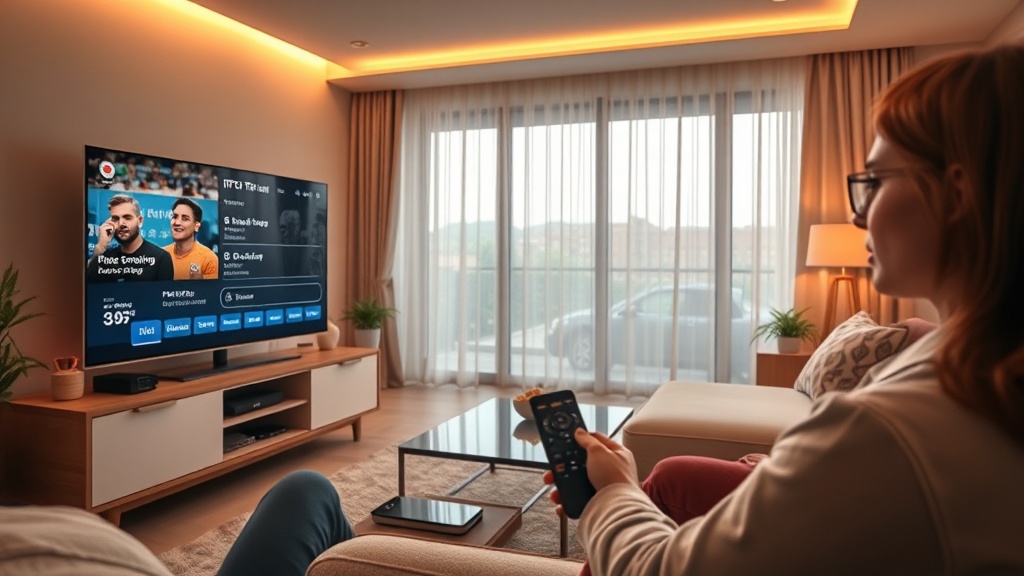
To fully enjoy your IPTV experience, you’ll need a few key pieces of equipment. While the exact setup can vary depending on your chosen device and service, certain components are universally essential. This section of our IPTV setup guide outlines the fundamental hardware you’ll need.
First and foremost, a stable and fast internet connection is non-negotiable. IPTV relies heavily on internet bandwidth, so ensure your connection can handle high-definition streaming without interruption. A minimum speed of 20-30 Mbps is recommended for HD content, with higher speeds preferable for 4K streaming and multiple simultaneous streams. Consider upgrading your internet plan if necessary.
Next, you’ll need a device to stream the IPTV content. This could be a smart TV with built-in IPTV apps, a dedicated IPTV box, a streaming stick (like Amazon Fire Stick or Roku), a computer, or even a smartphone or tablet. Each device has its pros and cons in terms of portability, screen size, and ease of use. For a dedicated home theater experience, an IPTV box or a smart TV is often preferred.
If you’re using a device that doesn’t have built-in Wi-Fi, an Ethernet cable is highly recommended for a more stable connection. While Wi-Fi is convenient, a wired connection typically offers lower latency and less interference, which is crucial for seamless streaming. A good router is also important to manage your network traffic efficiently.
Lastly, consider any accessories that might enhance your experience, such as a comfortable remote control, a wireless keyboard for easier navigation, or a sound system for immersive audio. These aren’t strictly necessary for an IPTV setup guide, but they can significantly improve your overall enjoyment. Always refer to your chosen provider’s recommendations for specific hardware requirements.
Step-by-Step IPTV Setup Guide on Popular Devices
This section provides a detailed IPTV setup guide for some of the most common devices. While the exact steps might vary slightly depending on your specific device and IPTV provider, the general principles remain the same. Following this IPTV setup guide will help you get up and running quickly.
Setting Up IPTV on Smart TVs (Android TV, Samsung, LG)
For Smart TVs running Android TV (like Sony, Philips, TCL), you can usually download IPTV apps directly from the Google Play Store. Popular choices include “IPTV Smarters Pro,” “Perfect Player,” or “TiviMate.” Once installed, open the app and enter the M3U URL or Xtream Codes API details provided by your IPTV service provider. This information is crucial for your IPTV setup guide.
For Samsung and LG Smart TVs (which run Tizen and webOS respectively), you might need to use third-party applications like “Smart IPTV” (SIPTV) or “SS IPTV.” These apps often require you to upload your M3U playlist file through their website after noting down your TV’s MAC address. Follow the on-screen instructions carefully to complete the configuration. Always double-check the playlist URL for accuracy.
IPTV Setup Guide for Amazon Fire Stick/Fire TV
The Amazon Fire Stick is an incredibly popular device for IPTV due to its affordability and ease of use. To set up IPTV, you’ll typically need to “sideload” an IPTV application, as many are not available directly on the Amazon Appstore. Enable “Apps from Unknown Sources” in your Fire Stick settings.
Download and install an app like “Downloader” from the Appstore. Use Downloader to fetch the APK file for your preferred IPTV player (e.g., IPTV Smarters Pro, TiviMate). Once installed, launch the app and input your provider’s credentials (M3U URL, Xtream Codes, or username/password). Restarting your Fire Stick after setup can sometimes resolve minor issues.
Configuring IPTV on Android Boxes and Smartphones/Tablets
Android boxes and mobile devices offer a straightforward IPTV setup guide. Simply go to the Google Play Store, search for your desired IPTV player app, and install it. Many providers also offer their own branded apps, which can simplify the process. Once installed, open the app and enter the subscription details provided by your IPTV service. Ensure your device has enough storage space for the app and any cached data.
For optimal performance on mobile devices, ensure you have a strong Wi-Fi connection or a robust mobile data plan. You might also want to explore settings within the app for buffer size and video decoder options to fine-tune your viewing experience. Regularly updating your chosen IPTV app is also recommended for bug fixes and new features.
Troubleshooting Common IPTV Issues
Even with a perfect IPTV setup guide, you might occasionally encounter issues. Knowing how to troubleshoot common problems can save you a lot of frustration and keep your entertainment flowing. Here are some of the most frequent issues and their solutions.
Buffering or Freezing: This is often the most common complaint. The primary cause is usually an unstable or slow internet connection. First, check your internet speed. If it’s below the recommended bandwidth, try restarting your router and modem. If the problem persists, consider connecting your device directly via an Ethernet cable instead of Wi-Fi. Sometimes, buffering can also be due to server overload on the provider’s end; in such cases, contacting their support is the best option.
Channels Not Loading or Showing “Error”: This could be due to an incorrect M3U URL or Xtream Codes, or your subscription might have expired. Double-check the credentials provided by your IPTV service. Ensure there are no typos. If the details are correct, try restarting your IPTV application or device. If the issue persists, contact your provider to verify your subscription status and channel availability. Sometimes, a simple app update can also resolve such errors.
No Sound or Picture: If you have picture but no sound, check your device’s volume settings and ensure it’s not muted. If there’s no picture, verify that your HDMI cables (if applicable) are securely connected and that your TV input is set correctly. Try playing other media to confirm your device is functioning properly. In some cases, updating your IPTV player app might resolve codec-related issues causing picture or sound problems.
Login Issues: If you’re unable to log in, ensure you’re using the correct username and password. Pay attention to case sensitivity. If you’ve forgotten your credentials, use the “forgot password” option if available, or contact your IPTV provider’s support team for assistance. Sometimes, a temporary server issue can prevent login, so waiting a few minutes and trying again can help.
App Crashing or Freezing: This can happen if the app has a bug, your device is running low on resources, or the app needs an update. Try clearing the app’s cache and data in your device settings. If that doesn’t work, uninstall and reinstall the app. Ensure your device’s operating system is also up to date. A complete IPTV setup guide includes troubleshooting as part of the ongoing maintenance.
Optimizing Your IPTV Experience for 2026
Once you’ve successfully completed your IPTV setup guide, there are several ways to optimize your viewing experience even further. These tips will help you get the most out of your IPTV subscription in 2026, ensuring seamless, high-quality entertainment.
Regularly update your IPTV applications and device firmware. Developers frequently release updates that include bug fixes, performance improvements, and new features. Keeping your software current can significantly enhance stability and introduce new functionalities, making your IPTV setup guide more robust.
Consider using a VPN (Virtual Private Network). A VPN can offer several benefits for IPTV users. It can help bypass geo-restrictions, allowing you to access content that might not be available in your region. Furthermore, a VPN encrypts your internet traffic, enhancing your online privacy and potentially preventing your ISP from throttling your connection based on your streaming activity. Choose a reputable VPN provider with fast servers.
Invest in a good quality router. An advanced router can better manage network traffic, prioritize streaming data, and provide a more stable Wi-Fi signal throughout your home. Features like Quality of Service (QoS) can be particularly beneficial, allowing you to prioritize bandwidth for your IPTV device over other network activities.
Manage your device’s storage and background processes. If you’re using a streaming stick or an Android box, too many installed apps or background processes can consume valuable resources, leading to slower performance. Regularly clear caches, uninstall unused apps, and close unnecessary background tasks to free up memory and processing power. This simple step can make a big difference to your IPTV setup guide’s effectiveness.
Finally, explore the advanced settings within your chosen IPTV player. Many apps offer options to adjust buffer size, video decoder type, and aspect ratio. Experiment with these settings to find what works best for your device and internet connection. A truly optimized IPTV setup guide means understanding and utilizing all available features.
The Future of IPTV and What to Expect in 2026
The world of IPTV is constantly evolving, with new technologies and trends emerging regularly. As we look ahead to 2026, several key developments are set to shape the future of digital television, further enhancing the relevance of a detailed IPTV setup guide. Understanding these trends will help you stay ahead of the curve.
One major area of advancement is the integration of AI and machine learning. These technologies are being used to personalize content recommendations, optimize streaming quality in real-time, and even improve customer support through AI-powered chatbots. Expect your IPTV experience to become even more tailored to your preferences, making content discovery effortless.
Another significant trend is the continued rise of 8K streaming. While 4K is becoming standard, 8K content and compatible devices are slowly entering the market. As internet speeds increase and compression technologies improve, 8K IPTV will offer an unprecedented level of visual fidelity. This will require even more robust internet connections and powerful streaming devices, impacting future iterations of any IPTV setup guide.
Interactivity is also set to become a more prominent feature. Imagine being able to participate in live polls during a show, access supplementary content directly from your screen, or even interact with other viewers in real-time. IPTV platforms are exploring ways to make viewing a more engaging and less passive experience, transforming the traditional TV model.
The consolidation of streaming services and the emergence of “super-aggregators” are also on the horizon. Instead of juggling multiple subscriptions, platforms might emerge that allow you to access content from various providers through a single interface and subscription. This simplification could revolutionize how we consume digital media and streamline the IPTV setup guide process.
Cloud-based IPTV solutions will also continue to grow, offering greater flexibility and scalability for providers and users alike. This means more reliable service, easier access from anywhere, and potentially more innovative features delivered directly from the cloud. Keeping up with these advancements ensures your IPTV setup guide remains relevant and powerful.
FAQ: Your IPTV Setup Guide Questions Answered
Q1: Is IPTV legal?
The legality of IPTV depends on the source of the content. Using an IPTV service that legally licenses its content from broadcasters and content creators is perfectly legal. However, if an IPTV service provides copyrighted content without proper licensing, then using such a service is illegal. Always choose reputable providers to ensure legality and ethical consumption of media. A good IPTV setup guide always emphasizes legal and safe practices.
Q2: What internet speed do I need for IPTV?
For standard definition (SD) content, a minimum of 5-10 Mbps is usually sufficient. For high definition (HD) content, 20-30 Mbps is recommended. If you plan to stream 4K content, or if multiple devices will be streaming simultaneously, you should aim for 50 Mbps or higher. A stable connection is often more important than raw speed, as fluctuations can cause buffering. Your IPTV setup guide relies on a consistent internet connection.
Q3: Can I use IPTV on multiple devices simultaneously?
This depends on your IPTV service provider and your subscription plan. Many providers offer multi-device support, often allowing 2-3 simultaneous streams as part of their standard packages. If you need more, you might have to purchase an add-on or a premium plan. Always check your provider’s terms of service regarding simultaneous connections before committing.
Q4: What is an M3U URL and why is it important for an IPTV setup guide?
An M3U URL is a link to a playlist file that contains a list of channels and their respective streaming addresses. It’s a common method used by IPTV players to access your subscription content. Your IPTV service provider will typically give you this URL (or an Xtream Codes API login) upon subscription. It’s a crucial piece of information for configuring your IPTV app, as detailed in this IPTV setup guide.
Q5: How do I update my IPTV player app?
If you’re using an app from an official app store (like Google Play Store or Amazon Appstore), updates will usually be managed automatically or you’ll receive a notification to update. For sideloaded apps, you might need to manually download the latest APK file from the developer’s website and reinstall it, or use an app like “Downloader” to fetch updates. Regularly checking for updates is a good practice for any IPTV setup guide.
Related IPTV Services
You may also visit the following websites for similar services:
Leave a Reply