IPTV for Android TV has revolutionized the way we consume media, offering an unparalleled selection of live channels, movies, and TV shows directly to our living rooms. In 2026, the landscape of IPTV for Android TV is more vibrant and sophisticated than ever, providing users with incredible flexibility and customization options. This comprehensive guide will delve into everything you need to know to harness the full potential of IPTV for Android TV, ensuring you get the best possible streaming experience.
Table of ContentsUnderstanding IPTV for Android TV: What It Is and How It WorksChoosing the Best IPTV Service for Android TV in 2026Setting Up Your Android TV Device for Optimal IPTV PerformanceEssential IPTV Players and Apps for Android TVTroubleshooting Common IPTV for Android TV IssuesThe Future of IPTV for Android TV: Trends and Innovations in 2026FAQ: Your Questions About IPTV for Android TV AnsweredRelated IPTV Services
Understanding IPTV for Android TV: What It Is and How It Works
IPTV, or Internet Protocol Television, delivers television content over broadband networks using the Internet Protocol. Unlike traditional cable or satellite, IPTV leverages your internet connection, allowing for a more dynamic and interactive viewing experience. When we talk about IPTV for Android TV, we’re referring to the seamless integration of this technology with devices running the Android TV operating system. This includes dedicated Android TV boxes, smart TVs with built-in Android TV, and even some streaming sticks.
The core principle behind IPTV for Android TV involves a client application (often referred to as an IPTV player) on your Android TV device connecting to an IPTV service provider’s servers. These servers host the vast library of content, which is then streamed to your device. The quality and stability of this stream depend heavily on your internet speed and the reliability of your chosen IPTV service. With advancements in internet infrastructure and streaming technology, IPTV for Android TV in 2026 offers incredibly high-definition content with minimal buffering, provided you have a robust internet connection.
One of the significant advantages of IPTV for Android TV is its flexibility. You’re not tied to traditional broadcast schedules; many services offer video-on-demand (VOD) libraries, allowing you to watch what you want, when you want. Furthermore, the open nature of Android TV allows for a wide range of applications and customization, making it an ideal platform for enjoying IPTV. Getting started with IPTV for Android TV is often straightforward, involving downloading an app and entering your service credentials.
For those looking to cut the cord from expensive cable subscriptions, IPTV for Android TV presents a compelling alternative. It often comes with a more diverse range of channels, including international content, and is typically more budget-friendly. The ease of setup and the vast array of content make IPTV for Android TV an increasingly popular choice for modern entertainment.
Choosing the Best IPTV Service for Android TV in 2026
Selecting the right IPTV service is paramount to a satisfying experience with IPTV for Android TV. With numerous providers available in 2026, it’s crucial to consider several factors to ensure you’re getting a reliable and feature-rich service. The first consideration should always be the channel lineup. Do they offer the channels you care about? Many providers specialize in certain regions or genres, so it’s worth exploring their offerings. You can often check out IPTVPut’s channel list to see what’s available.
Another critical aspect is the quality of the stream. Look for providers that offer high-definition (HD) and even 4K content, especially if you have a compatible TV. Reliability and uptime are also crucial; nothing is more frustrating than constant buffering or service interruptions. Reputable providers often have dedicated servers and robust infrastructure to ensure a smooth viewing experience. Customer support is another factor that shouldn’t be overlooked. A responsive and helpful support team can make a significant difference if you encounter any issues with your IPTV for Android TV setup.
Pricing models vary widely among IPTV providers. Some offer monthly subscriptions, while others might have quarterly or annual plans. It’s essential to compare IPTV pricing options to find a plan that fits your budget and viewing habits. Be wary of services that offer incredibly low prices, as they might compromise on quality or reliability. A free trial, if available, can be an excellent way to test a service before committing to a subscription. This allows you to assess stream quality, channel availability, and overall user experience on your Android TV device.
Finally, consider additional features such as Electronic Program Guide (EPG), catch-up TV, and video-on-demand (VOD) libraries. An EPG provides a TV guide-like interface, making it easy to see what’s currently playing and what’s coming up. Catch-up TV allows you to watch previously aired programs, while VOD offers a library of movies and TV shows on demand. These features significantly enhance the value proposition of IPTV for Android TV and contribute to a more comprehensive entertainment package.
Setting Up Your Android TV Device for Optimal IPTV Performance
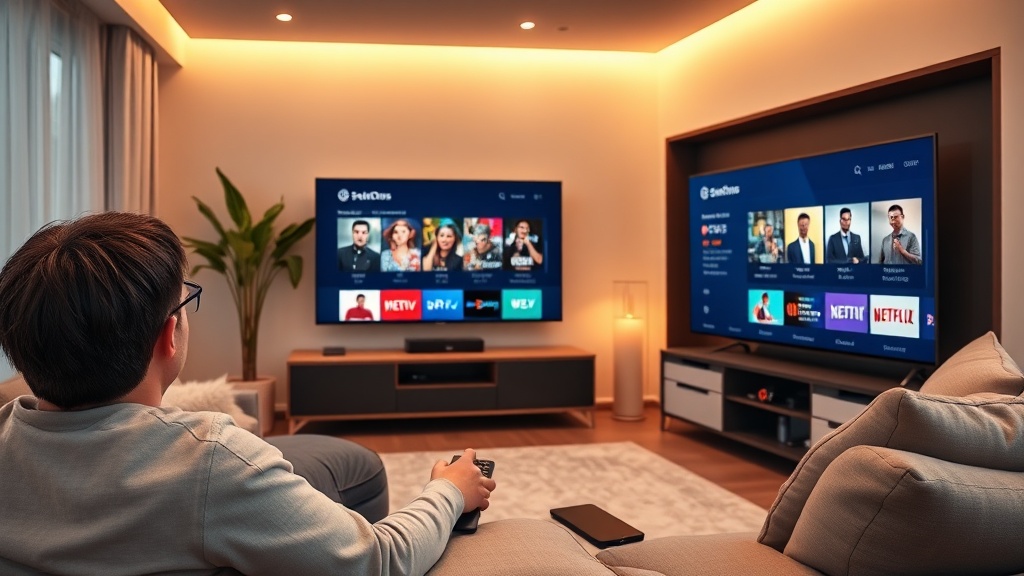
Once you’ve chosen your IPTV service, optimizing your Android TV device for peak performance is the next step to enjoying seamless IPTV for Android TV. A strong and stable internet connection is the foundation of any good streaming experience. While Wi-Fi can be convenient, a wired Ethernet connection is always recommended for IPTV for Android TV, as it provides a more stable and faster connection, minimizing buffering and ensuring higher quality streams. If a wired connection isn’t feasible, ensure your Wi-Fi router is strategically placed and supports modern standards like Wi-Fi 5 (802.11ac) or Wi-Fi 6 (802.11ax) for better bandwidth and reduced latency.
Clearing cache and data regularly for your IPTV application can also improve performance. Over time, apps can accumulate temporary files that can slow them down. Most Android TV devices allow you to do this through the app settings. Keeping your Android TV operating system and all installed applications updated is equally important. Updates often include performance enhancements, bug fixes, and security patches that contribute to a smoother overall experience with IPTV for Android TV.
Resource management on your Android TV device also plays a role. Close any unnecessary background applications that might be consuming bandwidth or processing power. If your Android TV device has limited RAM, consider using a lighter IPTV player app or disabling background app refresh for non-essential applications. Furthermore, ensure your device has sufficient internal storage. While IPTV streams content, some apps might download temporary files or store EPG data, which can impact performance if storage is low.
Finally, consider the specifications of your Android TV box or smart TV. Devices with more powerful processors and ample RAM will naturally handle high-quality IPTV streams more efficiently. While you don’t necessarily need the absolute top-of-the-line hardware, a device with decent specifications will provide a much more enjoyable and lag-free IPTV for Android TV experience, especially when dealing with 4K content or multiple concurrent streams.
Essential IPTV Players and Apps for Android TV
The Android TV ecosystem offers a plethora of IPTV players and applications, each with its unique features and user interface. Choosing the right player is crucial for a personalized and enjoyable IPTV for Android TV experience. Some of the most popular and highly-rated options include IPTV Smarters Pro, TiviMate, and Perfect Player. These apps are designed to work seamlessly with various IPTV services, providing a user-friendly interface for navigating channels, EPGs, and VOD content.
IPTV Smarters Pro is a favorite among many users due to its comprehensive features, including support for multiple playlists, EPG, VOD, and even recording capabilities. It offers a clean and intuitive interface, making it easy for both beginners and experienced users to manage their IPTV for Android TV subscriptions. TiviMate is another excellent choice, particularly praised for its sleek design, advanced EPG options, and highly customizable interface. It allows users to personalize almost every aspect of their viewing experience, from channel sorting to player controls.
Perfect Player is a more lightweight option that still offers robust functionality. It’s known for its simplicity and efficiency, making it a good choice for older Android TV devices or users who prefer a minimalist interface. When selecting an IPTV player, consider factors like EPG support, parental controls, multi-screen capabilities, and the ability to add external players. Some users prefer to integrate external video players like VLC or MX Player for their advanced codec support and customization options, which many IPTV apps allow.
Installing these apps on your Android TV is typically straightforward. You can often find them in the Google Play Store directly on your Android TV device. If an app isn’t available in the Play Store, you might need to “sideload” it using a USB drive or a file manager. This involves downloading the APK file from a trusted source and installing it manually. Always ensure you download APKs from reputable websites to avoid security risks. Once installed, you’ll usually need to enter your IPTV service credentials (username, password, and server URL) to start streaming content.
Troubleshooting Common IPTV for Android TV Issues
Even with the best setup, you might occasionally encounter issues with your IPTV for Android TV. Knowing how to troubleshoot common problems can save you a lot of frustration. The most frequent issue is buffering or freezing. This is almost always related to your internet connection. First, check your internet speed. A minimum of 25 Mbps is generally recommended for HD streaming, and more for 4K content or multiple devices. If your speed is low, try restarting your router and modem. If the problem persists, contact your internet service provider.
Another common problem is “channel not working” or “stream unavailable” errors. This could be due to a temporary issue with the specific channel on your IPTV provider’s end, or it could indicate an issue with your subscription. First, try switching to a different channel to see if the problem is isolated. If multiple channels are affected, try refreshing your playlist within your IPTV app. If the issue continues, contact your IPTV service provider for assistance. They can often diagnose server-side problems or issues with your account.
Sometimes, your IPTV for Android TV app might crash or behave erratically. The first step here is to force close the app and restart it. If that doesn’t work, clear the app’s cache and data through your Android TV settings. This often resolves minor software glitches. If the problem persists, consider uninstalling and reinstalling the app. Ensure your Android TV operating system and the IPTV app are updated to their latest versions, as updates often contain bug fixes.
Problems with EPG data, such as missing or incorrect program information, are also common. Most IPTV apps allow you to manually refresh the EPG. If that doesn’t work, ensure your device’s date and time settings are correct, as EPG data relies on accurate time synchronization. If all else fails, reaching out to your IPTV provider’s support team is always a good idea. They can offer specific guidance tailored to their service and your particular IPTV for Android TV setup, helping you get back to enjoying your favorite content.
The Future of IPTV for Android TV: Trends and Innovations in 2026
The landscape of IPTV for Android TV is continuously evolving, with 2026 promising even more exciting innovations and trends. One of the most significant advancements is the increasing prevalence of 4K and even 8K content. As internet speeds improve and more devices support ultra-high-definition resolutions, IPTV providers are expanding their offerings to deliver incredibly crisp and detailed visuals. This push for higher quality will further immerse viewers in their favorite shows and movies, making IPTV for Android TV an even more compelling entertainment solution.
Another key trend is the integration of artificial intelligence (AI) and machine learning (ML) into IPTV platforms. AI can be used to provide highly personalized content recommendations, learning your viewing habits and suggesting shows and movies you’re likely to enjoy. This goes beyond simple genre suggestions, offering a truly tailored experience. ML algorithms can also optimize streaming quality in real-time, adapting to network conditions to minimize buffering and maximize resolution, ensuring a consistently smooth IPTV for Android TV experience.
Interactive features are also on the rise. Imagine being able to vote in a live poll during a show, access behind-the-scenes content with a single click, or even participate in interactive games directly through your IPTV for Android TV interface. These features aim to make television viewing a more engaging and dynamic experience, moving beyond passive consumption. Cloud-based DVR (Digital Video Recorder) functionality is also becoming more sophisticated, allowing users to record their favorite programs and access them from any device, anywhere, enhancing the flexibility of IPTV for Android TV.
Finally, we can expect continued improvements in user interfaces and overall user experience. As the market becomes more competitive, IPTV providers and app developers are investing heavily in creating intuitive, visually appealing, and highly customizable interfaces. This includes better search functionalities, seamless navigation, and enhanced accessibility features. The future of IPTV for Android TV in 2026 is one of higher quality, greater personalization, and more interactive entertainment, solidifying its position as a leading choice for modern media consumption.
FAQ: Your Questions About IPTV for Android TV Answered
Q1: What exactly is IPTV for Android TV?
IPTV for Android TV refers to the delivery of television content over the internet to devices running the Android TV operating system. This allows you to stream live channels, movies, and TV shows using an internet connection instead of traditional cable or satellite. It offers a wide range of content and flexibility, making it a popular choice for modern entertainment.
Q2: Do I need a special device for IPTV for Android TV?
Yes, you need an Android TV-compatible device. This could be a dedicated Android TV box, a smart TV with built-in Android TV, or even certain streaming sticks that run the Android TV OS. These devices connect to your internet and allow you to install IPTV applications to access content.
Q3: Is IPTV for Android TV legal?
The legality of IPTV depends on the service provider. Legitimate IPTV services obtain proper licenses and rights to broadcast content, similar to traditional broadcasters. However, some services operate without these licenses, offering content illegally. Always ensure you subscribe to a reputable and legally compliant IPTV service to avoid any issues.
Q4: What internet speed do I need for IPTV for Android TV?
For standard definition (SD) content, a minimum of 10 Mbps is usually sufficient. For high-definition (HD) content, 25 Mbps or more is recommended. If you plan to stream 4K content or have multiple devices streaming simultaneously, 50 Mbps or higher is advisable for a smooth, buffer-free experience with IPTV for Android TV.
Q5: Can I record shows with IPTV for Android TV?
Many IPTV services and applications offer recording capabilities, often referred to as Cloud DVR (Digital Video Recorder) or catch-up TV. This feature allows you to record live programs and watch them at your convenience. The availability of this feature depends on your specific IPTV provider and the app you use.
Related IPTV Services
You may also visit the following websites for similar services:
Leave a Reply