
IPTV vs cable TV: In the rapidly evolving landscape of home entertainment, the debate between IPTV vs cable TV continues to be a central point of discussion for consumers worldwide. As we look towards 2026, the technological advancements and shifting consumption patterns have made this comparison more relevant than ever. Understanding the fundamental differences, advantages, and disadvantages of each service is crucial for making an informed decision about your future viewing experience. This comprehensive guide will delve deep into the intricacies of IPTV and traditional cable television, helping you navigate the options and choose the best fit for your household.
Table of ContentsUnderstanding the Basics: IPTV vs cable TV TechnologyContent Availability and Channel Selection: IPTV vs cable TV OfferingsCost Comparison: Pricing Models for IPTV vs cable TVFeatures and Interactivity: What Sets IPTV Apart?Performance and Reliability: A Critical Look at IPTV vs cable TVFuture Trends and What to Expect in 2026FAQ: Your Top Questions About IPTV vs Cable TV AnsweredRelated IPTV Services
Understanding the Basics: IPTV vs cable TV Technology
The core distinction between IPTV (Internet Protocol Television) and cable TV lies in their delivery mechanisms. Cable TV, a long-standing fixture in homes, transmits television signals through coaxial cables directly to your television set. This traditional method relies on a dedicated infrastructure, often requiring physical installation and specific hardware like a set-top box to decode the signals.
IPTV, on the other hand, leverages your existing internet connection to deliver television content. It streams video content over an IP network, much like how you stream movies on platforms like Netflix or YouTube. This internet-based delivery offers greater flexibility and opens up a world of possibilities for content delivery and interactivity. The underlying technology for IPTV vs cable TV is vastly different, impacting everything from channel availability to picture quality.
The rise of high-speed internet has been a significant catalyst for IPTV’s growth. With faster and more reliable connections becoming commonplace, the quality and consistency of IPTV streams have dramatically improved, making it a viable and often superior alternative to traditional cable. This technological shift is a major factor in the ongoing discussion of IPTV vs cable TV.
Understanding these foundational differences is the first step in appreciating why one service might be a better fit for you than the other. The infrastructure, transmission, and reception methods directly influence the features, costs, and overall user experience that each service provides.
Content Availability and Channel Selection: IPTV vs cable TV Offerings
When it comes to content, both IPTV and cable TV offer a vast array of channels, but their approaches differ significantly. Traditional cable TV typically provides a fixed set of channels bundled into various packages. While these packages can be extensive, they often include channels you may not watch, leading to a feeling of paying for content you don’t consume. The selection is generally geographically limited and dependent on the cable provider’s agreements.
IPTV’s content offerings are often more dynamic and diverse. Due to its internet-based nature, IPTV services can pull content from a global pool of sources. This often translates to a much wider selection of channels, including international programming, niche content, and on-demand libraries that far exceed what traditional cable can offer. Many IPTV providers offer highly customizable packages, allowing users to select only the channels they truly want, leading to a more personalized viewing experience. You can explore a wide range of options at IPTV channels.
The flexibility of IPTV also extends to on-demand content. Many IPTV services integrate VOD (Video-on-Demand) libraries, allowing users to watch movies, TV shows, and even catch up on previously aired programs at their convenience. This level of control over what and when you watch is a significant advantage in the IPTV vs cable TV debate.
While cable providers are increasingly trying to incorporate on-demand features and more flexible packages, they are often playing catch-up to the inherent agility of IPTV. The sheer breadth and depth of content, coupled with the customizable nature of IPTV, often gives it an edge in terms of pure channel selection and content availability for many users in 2026.
Cost Comparison: Pricing Models for IPTV vs cable TV
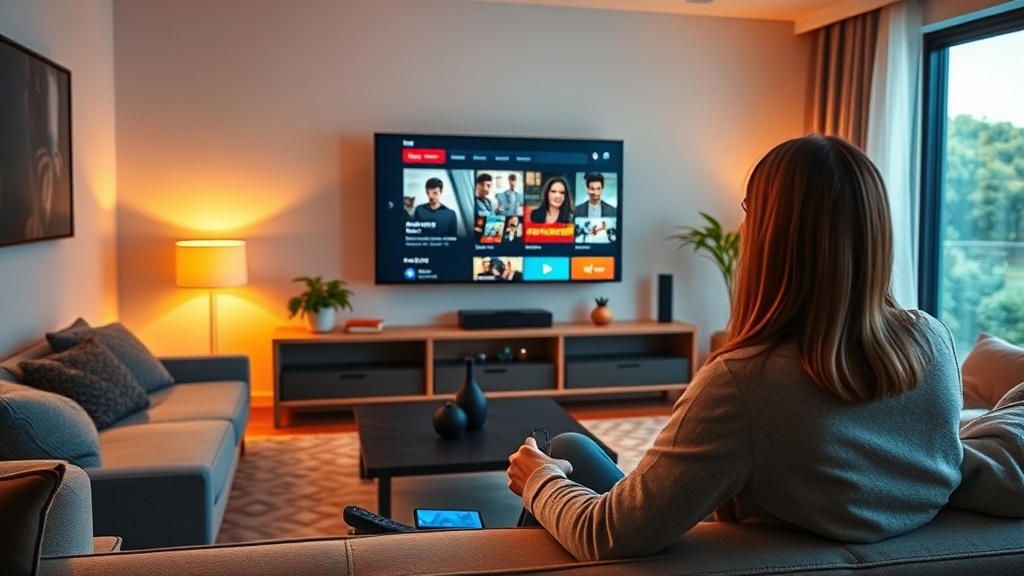
The financial aspect is a critical consideration for many consumers weighing IPTV vs cable TV. Traditional cable TV often comes with a higher monthly subscription fee, especially when bundled with internet and phone services. These packages can also include hidden fees, equipment rental charges, and installation costs that can add up over time. The lack of flexibility in channel packages can also mean paying for numerous channels you never watch.
IPTV, in many cases, can be more cost-effective. While there’s a wide range of IPTV providers with varying IPTV pricing, many offer competitive rates, especially for specialized content. The ability to choose specific channel packages or even pay-per-view options can significantly reduce monthly expenses. Since IPTV leverages your existing internet connection, you avoid duplicate infrastructure costs. However, it’s important to remember that a reliable and fast internet connection is a prerequisite, and that cost should be factored in.
Another point of comparison in the IPTV vs cable TV cost debate is the long-term commitment. Cable TV often requires contracts, sometimes for a year or more, making it difficult to switch providers or downgrade services without incurring penalties. Many IPTV services offer more flexible, month-to-month subscriptions, providing greater freedom and control over your spending.
While some premium IPTV services can be expensive, the general trend shows that IPTV offers more opportunities for cost savings and greater transparency in pricing. Consumers are increasingly looking for ways to cut down on entertainment expenses without sacrificing quality or selection, making IPTV an attractive option in 2026.
Features and Interactivity: What Sets IPTV Apart?
Beyond just delivering content, the feature sets of IPTV vs cable TV present a stark contrast. Traditional cable TV, while reliable, is often a more passive viewing experience. Features typically include a program guide, DVR capabilities for recording live TV, and sometimes basic on-demand options.
- Time-shifted TV: Watch programs that have already aired, often for several days after their original broadcast.
- Video-on-Demand (VOD): Access a vast library of movies, TV shows, and documentaries at any time.
- Interactive Program Guides (EPG): More advanced and customizable guides than traditional cable, often with search functions and personalized recommendations.
- Multi-device compatibility: Watch content on various IPTV devices like smart TVs, smartphones, tablets, and computers, offering true portability.
- Personalization: User profiles, customized watchlists, and AI-driven recommendations are common.
- Pause, Rewind, and Fast-Forward Live TV: Features often more seamlessly integrated and robust than on cable.
These interactive elements transform the viewing experience from a scheduled activity to a personalized, on-demand entertainment hub. The ability to pause a live broadcast, switch devices mid-show, or instantly access a movie from a vast catalog are significant advantages that IPTV holds over its traditional counterpart. This is where the IPTV vs cable TV discussion truly highlights the modern consumer’s demand for flexibility and control.
The continuous innovation in IPTV technology means that new features are constantly being developed, further widening the gap between the two services in terms of user experience and functionality. For those who value control and a dynamic viewing environment, IPTV is often the clear winner.
Performance and Reliability: A Critical Look at IPTV vs cable TV
Performance and reliability are crucial factors when deciding between IPTV vs cable TV. Traditional cable TV, with its dedicated infrastructure, is generally known for its consistent signal quality and reliability, especially in areas with well-maintained networks. It is less susceptible to internet congestion or outages, making it a dependable choice for live events where interruptions are unacceptable.
However, IPTV’s performance is intrinsically linked to the quality and stability of your internet connection. A slow, inconsistent, or frequently dropping internet connection will directly impact your IPTV viewing experience, leading to buffering, pixelation, or complete service interruptions. High-definition and 4K content, in particular, demand significant bandwidth. Therefore, a robust internet service provider (ISP) and a high-speed plan are non-negotiable for a premium IPTV experience.
That being said, with the proliferation of fiber optic internet and improving network infrastructures globally, IPTV is becoming increasingly reliable. Many IPTV providers also employ advanced streaming technologies, content delivery networks (CDNs), and adaptive bitrate streaming to ensure the best possible quality even under fluctuating network conditions. The quality of service can vary significantly between different IPTV providers, so choosing a reputable one is key.
The debate of IPTV vs cable TV in terms of reliability often boils down to the weakest link. For cable, it’s the physical infrastructure and potential local outages. For IPTV, it’s your home internet connection. As internet speeds continue to increase and become more stable, the performance gap between the two services is narrowing, making IPTV a formidable contender in 2026.
Future Trends and What to Expect in 2026
Looking ahead to 2026, the trajectory for IPTV vs cable TV is clear. IPTV is poised for continued growth and innovation, driven by advancements in internet technology, AI, and user demand for personalized content. We can expect more sophisticated recommendation engines, deeper integration with smart home devices, and even more immersive viewing experiences, such as VR/AR content delivery through IPTV platforms.
Cable TV, while not disappearing entirely, will likely continue its decline in subscriber numbers as more consumers cut the cord. Cable providers are attempting to adapt by offering their own streaming services and bundling options, but they face an uphill battle against the inherent flexibility and innovation of IPTV. The traditional model struggles to compete with the dynamic, on-demand nature that modern audiences expect.
The IPTV vs cable TV landscape in 2026 will also see increased competition among IPTV providers, leading to more diverse content offerings, better features, and potentially more competitive pricing. The focus will be on delivering seamless user experiences across all devices and providing access to a truly global content library.
Ultimately, the future favors services that offer choice, flexibility, and a personalized experience. IPTV, with its internet-based foundation, is perfectly positioned to meet these demands, making it the likely dominant force in home entertainment by 2026 and beyond.
FAQ: Your Top Questions About IPTV vs Cable TV Answered
Q1: Is IPTV legal to use?
A1: Yes, legitimate IPTV services are legal. These are services that have obtained proper licensing and rights to broadcast content, similar to traditional cable providers. However, illegal IPTV services exist that offer copyrighted content without permission. It’s crucial to choose reputable providers to ensure legality and safety.
Q2: Do I need a special device for IPTV?
A2: While you can watch IPTV on many smart TVs, smartphones, tablets, and computers, a dedicated IPTV box or streaming device (like an Amazon Fire Stick, Apple TV, or Android TV box) can enhance the experience by optimizing for TV viewing and often providing a more user-friendly interface. Check IPTV devices for compatible options.
Q3: What internet speed is required for IPTV?
A3: For standard definition, 5-10 Mbps is usually sufficient. For HD content, 20-30 Mbps is recommended, and for 4K streaming, you’ll want at least 50 Mbps or higher to avoid buffering. Reliable and consistent speed is more important than just peak speed.
Q4: Can I record shows with IPTV?
A4: Many legitimate IPTV services offer cloud-based DVR (Digital Video Recorder) functionality, allowing you to record live TV and store it on their servers for later viewing. This is a common feature that enhances the flexibility of IPTV.
Q5: Is IPTV more reliable than cable TV?
A5: The reliability of IPTV is heavily dependent on your internet connection quality. If you have a stable, high-speed internet connection, IPTV can be very reliable. Cable TV, with its dedicated infrastructure, can be more consistent in areas with good service, but is prone to local outages. As internet infrastructure improves, IPTV’s reliability continues to match or even surpass cable for many users.
Related IPTV Services
You may also visit the following websites for similar services:
Leave a Reply