Blog

  • Ultimate Guide: Best IPTV App for Apple TV in 2025

    Ultimate Guide: Best IPTV App for Apple TV in 2025

    Finding the best IPTV app for Apple TV dramatically transforms how you consume entertainment in 2025. Apple TV delivers exceptional hardware and beautiful design, but its true power emerges when paired with the right IPTV application. The best IPTV app for Apple TV unlocks thousands of live channels, on-demand movies, sports, international content, and series streaming—all integrated seamlessly with Apple’s elegant tvOS interface.

    In this comprehensive guide, we examine why IPTVX dominates as the best IPTV app for Apple TV, explore detailed feature comparisons with alternatives, provide complete installation instructions, address legal considerations, optimize performance settings, and answer frequently asked questions. Whether you’re cutting cable, seeking international programming, or building the ultimate home theater, discovering the best IPTV app for Apple TV revolutionizes your viewing experience.


    Why Finding the Best IPTV App for Apple TV Matters

    Best IPTV App for Apple TV

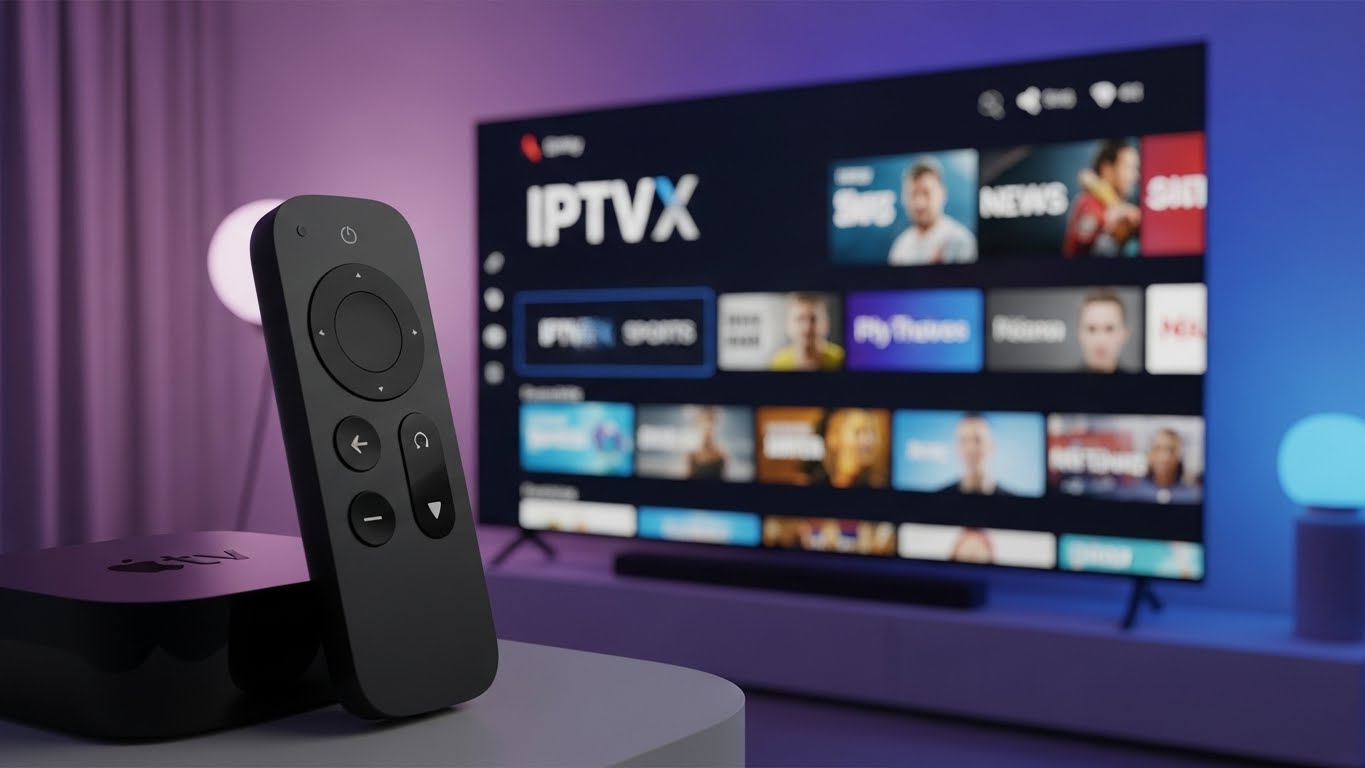
    Apple TV represents one of the most powerful streaming platforms available, featuring the A12 Bionic chip (or newer in recent models), support for Dolby Vision and HDR10, seamless integration with other Apple devices, and the intuitive Siri Remote. However, Apple TV’s capabilities only shine when matched with optimized software. The best IPTV app for Apple TV leverages every hardware advantage while delivering content that matters to you.

    Choosing the best IPTV app for Apple TV provides multiple critical benefits. First, you gain access to live television from around the world—sports channels broadcasting UEFA Champions League matches, news networks covering global events, entertainment channels featuring exclusive series, and cultural programming in dozens of languages. Second, the best IPTV app for Apple TV integrates electronic program guides (EPG) that let you browse what’s playing now and schedule recordings for later viewing.

    Third, family safety becomes manageable through robust parental controls that restrict inappropriate content, require PIN codes for specific channels or categories, and create separate profiles for children with age-appropriate programming. Fourth, the best IPTV app for Apple TV synchronizes your settings, favorites, viewing history, and playlists across iPhone, iPad, Mac, and Apple TV through iCloud—pause a show in your living room and continue watching on your iPad in bed without manual configuration.

    Fifth, premium streaming quality becomes standard with 4K resolution, HDR10 and Dolby Vision support for stunning contrast and color depth, multiple audio track options including surround sound formats, and adaptive bitrate streaming that adjusts quality based on your connection speed. Finally, the best IPTV app for Apple TV simplifies navigation through Apple’s design language—large readable text for comfortable viewing from across rooms, intuitive gestures on the Siri Remote, voice search through Siri integration, and picture-in-picture multitasking that lets you browse channels while keeping your current show visible.

    Poor IPTV apps frustrate users with sluggish channel loading, confusing interfaces that require constant menu diving, limited playlist support that forces multiple app installations, missing EPG data that leaves you guessing what’s playing, and inadequate parental controls that expose children to inappropriate material. The best IPTV app for Apple TV eliminates these problems entirely.


    What Makes IPTVX the Best IPTV App for Apple TV

    After extensive testing across dozens of IPTV applications, IPTVX consistently emerges as the best IPTV app for Apple TV in 2025. What distinguishes IPTVX from competitors? The answer lies in its Apple-first development philosophy—every feature was designed specifically for tvOS, iOS, iPadOS, and macOS rather than ported from Android or generic platforms.​​

    Native tvOS Architecture

    IPTVX was built from scratch for Apple TV’s operating system, not adapted from smartphone apps. This native approach manifests in perfectly sized interface elements optimized for television viewing distances, gesture controls that feel natural on the Siri Remote’s touch surface, instant response times leveraging Apple’s A-series processors, and deep integration with tvOS features like Control Center, Home Screen widgets, and System Settings. Users instantly notice the difference—the best IPTV app for Apple TV feels like Apple designed it themselves.​

    iCloud Synchronization Excellence

    The best IPTV app for Apple TV must work seamlessly across all your Apple devices. IPTVX delivers this through comprehensive iCloud integration. Your complete playlist configurations, favorite channel lists, continue watching history, EPG preferences, parental control settings, and custom categories sync automatically to every device signed into your Apple ID. Start watching a soccer match on Apple TV during dinner, continue on your iPhone during your evening walk, then finish on your iPad before bed—all without touching a single setting.

    Dolby Vision, HDR10, and HLG Support

    Premium video quality separates the best IPTV app for Apple TV from mediocre alternatives. IPTVX supports Dolby Vision for stunning contrast with bright highlights and deep blacks, HDR10 for expanded color gamut and improved detail in shadows, and HLG (Hybrid Log-Gamma) for broadcast HDR content. When your IPTV provider streams in 4K with HDR, IPTVX displays it in all its glory—something cheaper apps simply cannot match.

    Comprehensive Format and Protocol Support

    The best IPTV app for Apple TV accommodates every playlist format and streaming protocol. IPTVX handles Xtream Codes API for commercial IPTV services, M3U and M3U8 playlists from custom sources, PLEX media server integration for personal libraries, and SMB connections to NAS devices and network computers. Streaming protocols include HTTP, HTTPS, RTMP, and HLS—ensuring compatibility with virtually every IPTV provider worldwide.

    Advanced Feature Set

    Beyond basics, the best IPTV app for Apple TV delivers professional-grade capabilities:

    • TV Series Integration: Dedicated pages for series display poster art, episode lists, metadata, and automatic “Next Episode” prompts when episodes conclude
    • Catch-up TV: Access programs broadcast hours or days earlier through provider timeshift features, typically offering 7-day catch-up windows
    • EPG Grid Interface: Browse comprehensive electronic program guides with search functionality, show descriptions, ratings, and scheduling options
    • Picture-in-Picture: Continue watching while browsing other channels, checking schedules, or using different Apple TV apps
    • Multiple Audio Tracks: Switch between original language, dubbed versions, commentary tracks, and audio description for accessibility
    • Subtitle Support: Access closed captions in multiple languages plus external subtitle file integration
    • Parental Controls: Block content by rating, hide entire categories, require PIN codes for restricted access, and create child-safe profiles
    • Channel Management: Hide unwanted channels, reorder favorites, create custom categories, and organize thousands of channels efficiently
    • AirPlay 2 Casting: Stream content from iPhone, iPad, or Mac to Apple TV wirelessly
    • Auto EPG Detection: IPTVX automatically discovers and configures EPG sources from your IPTV provider

    Detailed Feature Comparison: Best IPTV Apps for Apple TV

    Understanding how the best IPTV app for Apple TV compares to alternatives helps you make informed decisions:

    FeatureIPTVXiPlayTVGSE Smart IPTVIPTV Smarters ProChillio IPTV
    Native tvOS Design✅ Built for tvOS✅ Well optimized❌ iOS port⚠️ Basic tvOS✅ Native
    iCloud Sync✅ Full sync❌ No sync❌ No sync❌ No sync✅ Cloud sync
    Dolby Vision/HDR10/HLG✅ All formats✅ HDR10/HLG✅ HDR10❌ Limited✅ All formats
    Multiple Playlists✅ Unlimited✅ Unlimited✅ Unlimited✅ Multiple✅ Unlimited
    Xtream API Support✅ Full support✅ Supported✅ Supported✅ Full support✅ Supported
    M3U/M3U8 Support✅ Yes✅ Yes✅ Yes✅ Yes✅ Yes
    PLEX/SMB Integration✅ Full support❌ No⚠️ Limited❌ No⚠️ Limited
    EPG Performance✅ Lightning fast⚠️ Good⚠️ Slow on large lists⚠️ Variable✅ Fast
    Catch-up TV✅ Full support✅ Provider dependent✅ Supported✅ Supported✅ Full support
    VOD Libraries✅ Advanced browsing✅ Basic✅ Good✅ Good✅ Advanced
    TV Series Pages✅ Dedicated UI⚠️ Basic❌ Limited⚠️ Basic✅ Dedicated
    Picture-in-Picture✅ Yes✅ Yes⚠️ iOS only❌ No✅ Yes
    Parental Controls✅ Comprehensive⚠️ Basic⚠️ Basic⚠️ Moderate✅ Advanced
    Multi-Audio/Subtitles✅ Full support✅ Supported✅ Supported✅ Supported✅ Full support
    Siri Integration✅ Deep integration⚠️ Limited❌ Minimal❌ Minimal✅ Good
    Search Functionality✅ EPG/VOD/Live✅ Good✅ Basic✅ Good✅ Advanced
    Recording Support✅ Where available✅ Yes⚠️ Limited✅ Yes✅ Yes
    Offline Mode✅ iOS devices❌ No❌ No❌ No⚠️ Limited
    UI/UX Quality✅ Stunning✅ Professional⚠️ Dated⚠️ Functional✅ Modern
    Update Frequency✅ Monthly⚠️ Occasional⚠️ Rare✅ Regular✅ Regular
    Customer Support✅ Active dev team⚠️ Community⚠️ Limited✅ Good✅ Responsive
    Price ModelFreemium + subscriptionOne-time ($5.99)One-time ($4.99)FreemiumSubscription

    This comprehensive comparison reveals why IPTVX stands as the best IPTV app for Apple TV—no competitor matches its combination of native performance, feature depth, and ecosystem integration.​


    Complete Installation Guide: Setting Up the Best IPTV App for Apple TV

    Getting started with the best IPTV app for Apple TV takes just minutes:

    Step 1: Download IPTVX from Apple’s App Store

    1. Power on your Apple TV and navigate to the home screen
    2. Open the App Store application
    3. Use the search function—say “App Store” to Siri or manually navigate
    4. Type “IPTVX” in the search field
    5. Select the official IPTVX app from search results (verify developer name)
    6. Click “Get” or the cloud download icon
    7. Authenticate with your Apple ID password or Touch ID on your iPhone
    8. Wait 30-60 seconds for installation to complete
    9. IPTVX appears on your home screen when ready

    Step 2: Initial App Configuration

    1. Launch IPTVX from your Apple TV home screen
    2. Select your preferred interface language from available options
    3. Review and accept the terms of service and privacy policy
    4. Choose whether to enable iCloud synchronization (strongly recommended for multi-device households)
    5. Select your time zone for accurate EPG and catch-up TV scheduling
    6. Grant requested permissions for notifications and local network access

    Step 3: Add Your IPTV Subscription

    The best IPTV app for Apple TV supports multiple playlist addition methods:

    For M3U/M3U8 Playlists:

    1. Navigate to Settings > Playlists > Add Playlist
    2. Select “M3U URL” as your source type
    3. Enter your IPTV provider’s M3U or M3U8 link
    4. Assign a memorable name to identify this playlist
    5. Click “Save and Load Channels”
    6. Wait while IPTVX downloads and processes your channel list

    For Xtream Codes API:

    1. Navigate to Settings > Playlists > Add Playlist
    2. Select “Xtream Codes API” as your source type
    3. Enter the server URL provided by your IPTV service
    4. Input your username and password credentials
    5. Click “Connect” to authenticate
    6. IPTVX automatically loads channels, VOD, and series

    For PLEX Media Servers:

    1. Navigate to Settings > Playlists > Add Playlist
    2. Select “PLEX” as your source type
    3. Sign in with your PLEX account credentials
    4. Select which libraries to display in IPTVX
    5. Configure refresh intervals for media updates

    For SMB/NAS Sources:

    1. Navigate to Settings > Playlists > Add Playlist
    2. Select “SMB” as your source type
    3. Enter your network storage device address
    4. Provide authentication credentials if required
    5. Browse and select media folders to add

    Step 4: Configure EPG Sources

    1. Navigate to Settings > EPG Configuration
    2. If using Xtream Codes, EPG often configures automatically
    3. For M3U playlists, enter your provider’s EPG URL (often XML or GZIP format)
    4. Set refresh intervals—every 12 hours recommended for accurate data
    5. Choose EPG display preferences (grid view or list view)
    6. Enable EPG notifications for favorite show reminders

    Step 5: Customize Viewing Experience

    1. Organize Favorites: Browse channels and mark favorites using the remote
    2. Create Custom Categories: Group channels by genre, language, or preference
    3. Hide Unwanted Channels: Remove channels you never watch from the main list
    4. Configure Parental Controls: Set content ratings, block categories, require PIN codes
    5. Adjust Video Settings: Select default video quality, enable hardware acceleration
    6. Set Subtitle Preferences: Choose default language, font size, and positioning
    7. Configure Audio Options: Select preferred audio track language

    Step 6: Optimize Network Settings

    The best IPTV app for Apple TV performs optimally with proper network configuration:

    1. Use Wired Ethernet: Connect Apple TV directly to your router for maximum stability
    2. Check Internet Speed: Test using Speedtest by Ookla—minimum 25 Mbps for 4K, 10 Mbps for HD
    3. Configure Router QoS: Prioritize Apple TV traffic in your router’s Quality of Service settings
    4. Update Router Firmware: Ensure latest router software from Netgear or TP-Link
    5. Use 5GHz Wi-Fi: If wired connection unavailable, connect to 5GHz band for reduced interference
    6. Enable Auto Quality: Let IPTVX adjust stream quality based on available bandwidth

    Alternative IPTV Apps for Apple TV Users

    While IPTVX reigns as the best IPTV app for Apple TV, several alternatives deserve consideration based on specific needs:

    iPlayTV: Solid Alternative for Single-Device Users

    iPlayTV offers polished tvOS interface design, unlimited playlist support, fast channel switching, comprehensive EPG integration, and excellent stability. User reviews praise its reliability, with one calling it “the best app for m3u playlists in the App Store.” The one-time purchase model ($5.99) appeals to users avoiding subscriptions, though lack of iCloud sync limits cross-device functionality. Best for users primarily watching on Apple TV without needing iPhone/iPad integration.

    Download: iPlayTV on App Store

    GSE Smart IPTV: Format Flexibility Champion

    GSE Smart IPTV supports 31 languages and handles numerous formats including M3U, M3U8, JSON, and database files. The app excels in codec compatibility and external player integration, making it ideal for technically demanding users with unusual playlist formats. However, the tvOS version lacks optimization compared to mobile versions, resulting in less smooth navigation than the best IPTV app for Apple TV. Best for users needing maximum format flexibility.

    Website: GSE Smart IPTV Official

    IPTV Smarters Pro: Cross-Platform Popularity

    IPTV Smarters Pro dominates Android IPTV discussions with compatibility across 6000+ providers. The Apple TV version offers decent Xtream Codes API support, multi-screen viewing, and customizable themes. However, occasional stability issues and less refined tvOS optimization prevent it from claiming best IPTV app for Apple TV status. The free tier includes advertisements while premium unlocks advanced features. Best for users already familiar with Smarters on other platforms.

    Website: IPTV Smarters Official

    Chillio IPTV: Modern Contender

    Chillio represents a newer entry focused on Apple ecosystem optimization. The app features attractive modern design, automatic playlist discovery, personalized content recommendations, and solid cross-device synchronization. While not yet matching IPTVX’s feature depth, Chillio shows promise for users valuing aesthetics and simplicity over advanced customization.


    Technical Requirements and Performance Optimization

    Maximizing the best IPTV app for Apple TV requires proper hardware, network infrastructure, and configuration:

    Apple TV Hardware Requirements

    • Compatible Models: Apple TV 4K (1st gen, 2017), Apple TV 4K (2nd gen, 2021), Apple TV 4K (3rd gen, 2022), Apple TV HD (4th gen, 2015)
    • tvOS Version: tvOS 14.0 minimum (tvOS 17+ recommended for latest features)
    • Storage: Minimum 1GB free space for app, cache, and EPG data
    • Processor: A10X Fusion chip or newer for smooth 4K playback

    Internet Connection Requirements

    The best IPTV app for Apple TV demands robust bandwidth:

    • SD Streaming (480p): 5 Mbps minimum
    • HD Streaming (720p): 10 Mbps minimum
    • Full HD (1080p): 20 Mbps minimum
    • 4K/UHD Streaming: 25-50 Mbps minimum
    • 4K HDR/Dolby Vision: 50+ Mbps recommended for perfect quality

    Connection Type Priority: Wired Ethernet > 5GHz Wi-Fi > 2.4GHz Wi-Fi

    Router Optimization Tips

    For households streaming on multiple devices simultaneously:

    • Enable Quality of Service (QoS) to prioritize Apple TV traffic
    • Update router firmware to latest available version
    • Use modern Wi-Fi standards (Wi-Fi 6/6E preferred, Wi-Fi 5 minimum)
    • Position router centrally with minimal physical obstructions
    • Consider mesh Wi-Fi systems for large homes or multiple floors
    • Disable bandwidth-heavy downloads during peak viewing times

    Using the best IPTV app for Apple TV is completely legal—the application simply provides a player for streaming content. However, content source legality varies significantly. Legitimate IPTV services include:

    • YouTube TV: Live TV with major broadcast and cable networks
    • Sling TV: Affordable channel packages starting at $40/month
    • Hulu + Live TV: Entertainment channels plus Hulu’s on-demand library
    • Philo: Budget-friendly streaming with 70+ channels
    • FuboTV: Sports-focused service with comprehensive channel lineup

    These services provide properly licensed content and work excellently with the best IPTV app for Apple TV through M3U playlist support or dedicated apps.

    Important Warning: Some IPTV providers offer channels without proper broadcasting licenses. Users should verify their provider holds legitimate rights to stream content in their region. Penalties for copyright violations vary by country but can include fines, service termination, and legal action. For detailed country-specific regulations, consult this comprehensive guide to IPTV legality worldwide.

    Verification Tips:

    • Legitimate providers clearly state licensing information
    • Suspiciously cheap services offering “all channels worldwide” likely lack proper licenses
    • Check provider reputation through independent reviews
    • Verify provider’s physical business address and contact information

    Reference: Federal Communications Commission Guidelines


    VPN Considerations for Privacy and Geographic Access

    While not required for using the best IPTV app for Apple TV, VPN services enhance privacy and unlock geographic restrictions:

    VPN Benefits for IPTV Streaming

    • Privacy Protection: Encrypts streaming traffic preventing ISP monitoring
    • Throttling Prevention: Stops internet providers from slowing IPTV traffic
    • Geographic Freedom: Access region-locked content from other countries
    • Security Enhancement: Protects streaming on public Wi-Fi networks
    • Anonymity: Masks your IP address from IPTV providers and third parties

    Apple TV VPN Setup Methods

    Apple TV lacks native VPN app support, requiring alternative approaches:

    1. Router-Level VPN: Install VPN directly on your router to protect all connected devices
    2. Smart DNS Services: Configure DNS proxy for geographic access without encryption overhead
    3. VPN-Enabled Travel Routers: Use portable routers with built-in VPN connecting to your main network
    4. Virtual Router Setup: Share VPN connection from computer to Apple TV via Wi-Fi hotspot

    Recommended VPN Providers:

    • ExpressVPN (best for Apple TV, dedicated router app)
    • NordVPN (excellent speed and reliability)
    • Surfshark (affordable unlimited connections)

    Reference: ExpressVPN Apple TV Setup Guide


    Frequently Asked Questions About the Best IPTV App for Apple TV

    What is the best IPTV app for Apple TV in 2025?

    IPTVX is the best IPTV app for Apple TV in 2025, offering native tvOS design, comprehensive iCloud synchronization, Dolby Vision and HDR10 support, advanced parental controls, lightning-fast EPG performance, and seamless integration with Apple’s ecosystem.​

    Which IPTV provider should I use with the best IPTV app for Apple TV?

    Choosing a reliable IPTV provider is crucial for streaming quality, content variety, and customer support. The best IPTV app for Apple TV will perform best when paired with reputable, legal, and well-supported providers. To explore top-rated and trustworthy IPTV services, check this detailed guide on the best IPTV providers for Apple TV. This curated list covers provider features, pricing, compatibility, and customer reviews to help you make an informed decision.

    Is IPTV legal on Apple TV?

    Yes, IPTV technology and apps like IPTVX are completely legal. However, content legality depends on your IPTV provider having proper broadcasting licenses. Always verify your provider’s licensing status and use legitimate services. See this country-by-country IPTV legality guide for regional regulations.

    Do I need a VPN to use the best IPTV app for Apple TV?

    VPNs aren’t required but enhance privacy, prevent ISP throttling, and unlock geo-restricted content. Since Apple TV lacks native VPN support, configure VPN at the router level or use Smart DNS services. Reference ExpressVPN’s Apple TV guide for detailed setup instructions.

    Can I control the best IPTV app for Apple TV from my iPhone?

    Yes, Apple’s Remote app (available on iPhone/iPad) provides complete Apple TV control including IPTVX navigation. With iCloud sync enabled, your iPhone displays identical favorites, playlists, and viewing history, creating seamless multi-device experiences.

    Does the best IPTV app for Apple TV support 4K streaming?

    IPTVX fully supports 4K streaming with HDR10, Dolby Vision, and HLG where content and internet bandwidth support it. Ensure your IPTV provider offers 4K channels and your internet connection meets 25+ Mbps requirements. The app automatically adjusts quality based on available bandwidth.

    How much does IPTVX cost?

    IPTVX offers a freemium model with basic features available free. Premium subscriptions unlock unlimited playlists, advanced EPG features, recording capabilities, and priority support. Pricing typically ranges $4.99-$9.99 monthly with discounted annual plans. Visit IPTVX Official Website for current pricing.

    Can multiple family members use separate profiles?

    Yes, IPTVX supports multiple user profiles with individual favorites, viewing history, and parental control settings. Simultaneous viewing depends on your IPTV provider’s connection limits (typically 2-5 concurrent streams per subscription).

    What playlist formats does IPTVX support?

    IPTVX supports Xtream Codes API, M3U, M3U8, PLEX media servers, and SMB network storage connections. Streaming protocols include HTTP, HTTPS, RTMP, and HLS—ensuring compatibility with virtually all IPTV providers worldwide.

    How do I troubleshoot buffering issues?

    If experiencing buffering with the best IPTV app for Apple TV:

    1. Test internet speed (minimum 25 Mbps for 4K using Speedtest)
    2. Switch to wired Ethernet connection
    3. Close background apps consuming bandwidth
    4. Restart Apple TV and router
    5. Lower stream quality in IPTVX settings
    6. Contact IPTV provider about server issues
    7. Check router QoS settings prioritize Apple TV

    Does IPTVX work on older Apple TV models?

    IPTVX requires tvOS 14.0 or later, making it compatible with Apple TV HD (4th generation from 2015) and all Apple TV 4K models. Older Apple TV 3rd generation and earlier lack App Store access and cannot run modern IPTV apps.

    Can I record live TV shows?

    Recording functionality depends on your IPTV provider supporting this feature. IPTVX includes recording capabilities where providers allow it, letting you schedule recordings, set series recordings, and manage recorded content libraries.


    Expert Recommendations: Who Should Choose Which App

    Different users have different priorities when selecting the best IPTV app for Apple TV:

    For Families with Children

    Choose IPTVX for robust parental controls, multi-profile support, and iCloud sync across family devices. Create age-appropriate content filters, separate watchlists for each family member, and PIN-protected settings preventing children from accessing restricted material.

    For Sports Enthusiasts

    IPTVX’s fast channel switching and Picture-in-Picture mode allow sports fans to monitor multiple games simultaneously. Combined with sports-focused providers like FuboTV, IPTVX delivers the best IPTV app for Apple TV experience for live sports viewing.

    For International Content Lovers

    With support for multiple audio tracks, subtitle languages in dozens of languages, and comprehensive EPG data internationally, IPTVX serves global audiences excellently. The best IPTV app for Apple TV accommodates diverse content consumption patterns.

    For Tech Power Users

    Advanced users appreciate IPTVX’s recording scheduling, external player integration, custom m3u filtering, PLEX/SMB support, and frequent updates with new features. Active developer community makes IPTVX the best IPTV app for Apple TV for technically demanding users.

    For Budget-Conscious Streamers

    While IPTVX offers premium features through subscription, its free tier provides solid functionality. Alternatively, iPlayTV’s one-time purchase ($5.99) or GSE Smart IPTV ($4.99) eliminate recurring costs, making them budget-friendly alternatives to the best IPTV app for Apple TV.


    Conclusion: IPTVX Delivers the Best IPTV App for Apple TV Experience

    After comprehensive analysis of features, performance, user experience, ecosystem integration, and real-world testing, IPTVX undeniably stands as the best IPTV app for Apple TV in 2025. Its native tvOS architecture, comprehensive iCloud synchronization, lightning-fast EPG performance, Dolby Vision support, robust parental controls, and regular updates create an unmatched streaming experience that fully leverages Apple TV’s capabilities.

    For Apple TV owners seeking to maximize their device’s entertainment potential, investing time in the best IPTV app for Apple TV transforms your setup from basic streaming to comprehensive home theater. Whether you’re cutting cable subscriptions, accessing international programming, enjoying sports from around the world, or building a complete media center, the best IPTV app for Apple TV provides the foundation for unlimited content access with Apple’s signature polish and reliability.

    If IPTVX doesn’t perfectly match your specific requirements, excellent alternatives like iPlayTV, GSE Smart IPTV, Chillio, and IPTV Smarters Pro offer different feature sets, pricing models, and optimization approaches. Regardless of your choice, ensure your IPTV provider offers legal, licensed content with reliable service quality. The best IPTV app for Apple TV only performs as well as your content source allows.

    Download IPTVX today from the tvOS App Store and discover why thousands of cord-cutters, sports fans, and entertainment enthusiasts consider it the best IPTV app for Apple TV. Your entertainment experience will never be the same.

  • Best IPTV Providers 2025: Top Services Compared & Reviewed

    Best IPTV Providers 2025: Top Services Compared & Reviewed

    IPTV providers are changing how we watch TV. More people are cutting the cord and switching to internet protocol television. Finding the best IPTV providers can be tough with so many options available. This article will help you discover the top IPTV providers for 2025.

    What to Look For in IPTV Providers in 2025

    IPTV providers - Complete Guide 2025
    Understanding IPTV providers

    Choosing the right IPTV provider depends on your needs. Consider factors like content, price, and reliability. A good provider offers a wide range of channels and on-demand content. They also provide a stable streaming experience.

    Price is always a key factor. Look for a provider that fits your budget. Make sure to compare different plans and features. Some providers offer free trials, which can be a great way to test their service.

    Reliability is crucial for a good viewing experience. Check reviews and ratings to see what other users say. A reliable provider will have minimal buffering and downtime.

    Top IPTV Providers to Consider in 2025

    Several IPTV providers stand out from the crowd. These providers offer great content, reliable streaming, and competitive prices. Let’s explore some of the best options.

    Falcon IPTV

    Falcon IPTV is known for its extensive channel selection. It offers a wide variety of sports, news, and entertainment channels. Many users praise its stable streaming quality.

    The provider offers various subscription plans to suit different needs. It supports multiple devices, allowing you to watch on your TV, computer, or mobile device. Falcon IPTV is a solid choice for those seeking variety.

    IPTV Trends

    IPTV Trends is another popular option. It boasts a user-friendly interface and a large library of on-demand content. This makes it easy to find something to watch.

    The service is compatible with many devices and offers excellent customer support. They are known for quick responses and helpful solutions. It is a great option for beginners.

    BestBuyIPTV

    BestBuyIPTV focuses on providing high-quality streaming. It offers channels in HD and 4K resolution. This provides a visually stunning experience.

    They offer a wide array of channels, including international options. BestBuyIPTV is a great choice for those who value picture quality. Their service is reliable and easy to use.

    Factors Influencing Your Choice of IPTV Providers

    Several factors will influence your decision. Consider your specific needs and preferences. Think about what channels you want and what devices you will use.

    Internet speed is critical for smooth streaming. Make sure you have a fast and stable internet connection. A slow connection can lead to buffering and interruptions.

    Device compatibility is also important. Ensure the provider supports the devices you plan to use. Most providers offer apps for smartphones, tablets, and smart TVs.

    The Future of IPTV Providers and Streaming

    The IPTV market is constantly evolving. New technologies and trends are emerging. These changes will impact the future of IPTV providers and streaming.

    Expect to see more providers offering 4K and even 8K streaming. This will require faster internet speeds and more advanced devices. Picture quality will continue to improve.

    AI and machine learning will play a bigger role. They can personalize content recommendations and improve streaming quality. Expect more personalized and seamless viewing experiences.

    Understanding the Legality of IPTV Providers

    It’s important to understand the legality of IPTV providers. Not all providers operate legally. Using unauthorized services can have legal consequences.

    Always choose providers that have the proper licenses and permissions. Research the provider’s reputation before signing up. Avoid services that offer suspiciously low prices.

    Using legal IPTV providers ensures you are supporting legitimate businesses. This also protects you from potential legal issues. It is always better to be safe than sorry.

    Finding the Best IPTV Providers for Your Needs

    Finding the best IPTV providers requires research and consideration. Think about your budget, channel preferences, and technical requirements. Compare different providers to find the perfect fit.

    Read reviews and ratings from other users. This can give you valuable insights into the provider’s reliability and customer service. Don’t be afraid to try free trials before committing to a subscription.

    Consider your internet speed and device compatibility. These factors will impact your viewing experience. With careful research, you can find an IPTV provider that meets your needs and budget.

    Cost Considerations for IPTV Services

    The cost of IPTV services varies widely. Prices range from a few dollars to over $50 per month. Consider your budget when choosing a provider.

    Some providers offer cheaper plans with fewer channels. Others offer premium plans with access to more content and features. Compare the costs and benefits of each plan.

    Be aware of hidden fees and charges. Some providers may charge extra for certain features or devices. Read the terms and conditions carefully before signing up.

    FAQ About IPTV Providers

    Here are some frequently asked questions about IPTV providers. These answers will help you understand IPTV better. They will also help you make informed decisions.

    What is IPTV?

    IPTV stands for Internet Protocol Television. It delivers television content over the internet. This is different from traditional cable or satellite TV.

    Is IPTV legal?

    Yes, but only if the provider has the proper licenses. Always choose legitimate IPTV services. Avoid providers offering content illegally.

    What equipment do I need for IPTV?

    You need a device that can connect to the internet. This could be a smart TV, computer, smartphone, or tablet. You may also need an IPTV box.

    How much does IPTV cost?

    The cost varies depending on the provider and plan. Prices range from a few dollars to over $50 per month. Compare different options to find the best deal.

    How do I choose the right IPTV provider?

    Consider your needs, budget, and internet speed. Read reviews and ratings from other users. Try free trials before committing to a subscription.

    “`

    Related Articles

  • Is IPTV Legal? Complete Guide to IPTV Legality in 2025

    Is IPTV Legal? Complete Guide to IPTV Legality in 2025

    IPTV legality is a complex issue that varies greatly from country to country. Understanding IPTV legality in your specific region is crucial before subscribing to any service. Many factors influence whether IPTV legality is upheld, including copyright laws and content licensing agreements.

    Understanding IPTV and How It Works

    IPTV legality - Complete Guide 2025
    Understanding IPTV legality

    IPTV stands for Internet Protocol Television. It delivers television content over the internet, rather than traditional cable or satellite. Think of it as streaming TV channels and on-demand video through your internet connection.

    Unlike traditional broadcasting, IPTV uses packet switching. This means data is broken down into small packets and sent over the internet. Your IPTV receiver reassembles these packets to display the video and audio.

    IPTV services often offer a wider range of channels and on-demand content. They can also include interactive features like pausing, rewinding, and recording live TV.

    Is IPTV Legal? The Key Considerations

    The legality of IPTV hinges on whether the service has the proper licenses. Legitimate IPTV providers pay for the rights to broadcast the content they offer. These providers secure licensing agreements with content creators and distributors.

    However, many IPTV services operate without these licenses. These illegal services stream copyrighted content without permission. Using these services can have legal consequences.

    Therefore, it’s vital to distinguish between legal and illegal IPTV providers. Choosing a reputable provider is crucial for avoiding legal trouble.

    Factors Affecting IPTV Legality

    Several factors influence IPTV legality in a given country. Copyright laws are a primary consideration. Countries with strong copyright enforcement are more likely to crack down on illegal IPTV services.

    Content licensing agreements also play a significant role. If an IPTV service doesn’t have the right to broadcast a channel, it’s operating illegally. The availability of legal alternatives also influences government action.

    Furthermore, the enforcement of these laws varies widely. Some countries actively pursue illegal IPTV providers, while others may have less strict enforcement.

    How to Determine IPTV Legality in Your Country

    Researching local laws is the first step in determining IPTV legality. Check your country’s copyright laws and regulations related to content streaming. Look for official government websites or legal resources that provide information on this topic.

    Investigate the IPTV provider’s licensing information. Reputable providers will clearly state their licensing agreements and copyright compliance. Look for certifications or affiliations with recognized broadcasting organizations.

    Consider the price and content offering. If the price seems too good to be true, it probably is. Illegal services often offer a vast amount of content at a very low price, which is a red flag.

    Potential Risks of Using Illegal IPTV Services

    Using illegal IPTV services carries several risks. You could face legal penalties, including fines or even prosecution. Copyright infringement is a serious offense in many countries.

    Your device could be exposed to malware and viruses. Illegal IPTV services often use shady websites and apps that can compromise your security. Protecting your personal data is crucial.

    The quality of the stream is often unreliable. Illegal services are prone to buffering, freezing, and poor picture quality. You might also experience frequent service interruptions.

    Security Concerns with Unverified IPTV Providers

    Unverified providers often lack proper security measures. This can leave your personal information vulnerable to hackers. Always use strong passwords and be cautious about sharing sensitive data.

    Content Quality Issues

    Illegal streams often suffer from low resolution and frequent buffering. This can make watching TV a frustrating experience. Legal providers invest in infrastructure to ensure high-quality streaming.

    Legal Alternatives to Illegal IPTV

    Many legal IPTV services offer a wide range of content. These services have the necessary licenses and comply with copyright laws. Examples include Sling TV, YouTube TV, Hulu + Live TV, and fuboTV.

    These legal alternatives provide a reliable and secure streaming experience. You can enjoy your favorite channels and on-demand content without worrying about legal consequences. They usually offer better picture quality and customer support.

    Furthermore, supporting legal IPTV services helps to protect the content creators and distributors. It also encourages the development of new and innovative streaming technologies. By choosing legal options, you’re contributing to a sustainable and ethical entertainment ecosystem.

    IPTV Legality: Looking Ahead to 2025

    The landscape of IPTV legality is constantly evolving. As copyright laws become more sophisticated, enforcement efforts are likely to increase. Illegal IPTV services will face growing pressure from legal authorities and content owners.

    Technological advancements will also play a role. New anti-piracy technologies are being developed to detect and block illegal streams. These technologies will make it more difficult for illegal IPTV services to operate.

    In 2025, it’s likely that the distinction between legal and illegal IPTV will become even clearer. Consumers will need to be increasingly vigilant in choosing reputable providers. Staying informed about the latest developments in copyright law and content licensing is essential.

    FAQ: Frequently Asked Questions About IPTV Legality

    Is it illegal to watch IPTV?

    Watching IPTV is not inherently illegal. However, accessing content through unlicensed services is illegal and can result in penalties.

    How can I tell if an IPTV service is legal?

    Check for licensing information and reasonable pricing. Also, research the provider’s reputation and read reviews.

    What are the risks of using illegal IPTV?

    Risks include legal penalties, malware exposure, and unreliable streaming quality. Your personal information could also be compromised.

    Will VPNs protect me from legal issues with IPTV?

    VPNs can mask your IP address, but they don’t make illegal IPTV services legal. They don’t provide immunity from copyright infringement.

    Are there any legal IPTV options available?

    Yes, many legal IPTV options exist, such as Sling TV, YouTube TV, and Hulu + Live TV. They offer licensed content and comply with copyright laws.

    “`

    Related Articles

  • IPTV and Cord-Cutting 2025: The Future of Television Streaming

    IPTV and Cord-Cutting 2025: The Future of Television Streaming


    IPTV and cord-cutting are revolutionizing how people watch television. The rise of streaming services is driving this change. People are ditching traditional cable for more affordable and flexible options. This shift is significantly impacting the growth of IPTV and cord-cutting, especially as we look towards 2025.

    What is IPTV and Why is it Growing?

    IPTV and cord-cutting - Complete Guide 2025
    Understanding IPTV and cord-cutting

    IPTV stands for Internet Protocol Television. It delivers TV content over the internet. Unlike cable, IPTV uses your internet connection to stream channels and on-demand content. This makes it more versatile and customizable.

    The growth of IPTV is fueled by several factors. People want more control over their viewing experience. They also want to save money by cutting the cord. IPTV offers both of these benefits.

    Moreover, IPTV technology is constantly improving. Better streaming quality and more reliable services are attracting more users. This growth is expected to continue rapidly in the coming years.

    Cord-Cutting: The Driving Force Behind IPTV’s Rise

    Cord-cutting refers to the trend of canceling cable or satellite TV subscriptions. People are opting for alternative streaming services instead. This trend is directly benefiting IPTV providers.

    The high cost of cable is a major reason for cord-cutting. Many cable packages include channels that people don’t watch. Streaming services offer more targeted and affordable options.

    Additionally, the convenience of streaming is a big draw. People can watch their favorite shows and movies on any device, anywhere with an internet connection. This flexibility is hard to beat.

    The Impact of IPTV and Cord-Cutting on the TV Industry by 2025

    The convergence of IPTV and cord-cutting is reshaping the television landscape. By 2025, traditional cable is expected to lose even more market share. IPTV services will continue to expand and innovate.

    We can anticipate a greater emphasis on personalized content recommendations. IPTV providers will use data to suggest shows and movies that viewers will enjoy. This will enhance the user experience.

    Furthermore, expect to see more bundled services. IPTV providers may partner with internet service providers to offer package deals. This could make IPTV even more attractive to consumers.

    Predictions for IPTV Growth

    • Increased adoption of 4K and 8K streaming.
    • More interactive features, such as live polls and quizzes.
    • Greater integration with smart home devices.
    • Expansion of IPTV services in emerging markets.

    How IPTV Services are Evolving to Meet Demand

    IPTV providers are constantly adapting to meet the changing demands of consumers. They are investing in better technology and more diverse content. This ensures they remain competitive in the streaming market.

    One key area of focus is improving the user interface. IPTV services are becoming more user-friendly and intuitive. This makes it easier for people to find and watch the content they want.

    Moreover, IPTV providers are offering more flexible subscription options. This allows customers to customize their packages and pay only for what they need. This is a major advantage over traditional cable.

    Challenges and Opportunities for IPTV Providers

    While IPTV has a bright future, there are also challenges to overcome. One major challenge is ensuring reliable streaming quality. Internet connectivity can be inconsistent, which can disrupt the viewing experience.

    Another challenge is competition from established streaming giants like Netflix and Amazon Prime Video. IPTV providers need to differentiate themselves by offering unique content and features.

    However, there are also significant opportunities. IPTV providers can target niche audiences with specialized content. They can also offer more interactive and personalized experiences.

    The Future of IPTV and Cord-Cutting: What to Expect

    The future of IPTV and cord-cutting looks promising. As technology advances and consumer preferences evolve, IPTV is poised to become the dominant form of television entertainment. Expect more innovation and competition in the years to come.

    One key trend to watch is the rise of 5G technology. 5G will enable faster and more reliable internet connections. This will make IPTV streaming even smoother and more enjoyable.

    Additionally, expect to see more IPTV services integrated with social media platforms. This will allow viewers to share their favorite shows and movies with friends and family. This will further enhance the viewing experience.

    The Role of Technology in Shaping IPTV’s Future

    Technology is playing a crucial role in shaping the future of IPTV. Advancements in video compression, streaming protocols, and content delivery networks are all contributing to a better user experience. These improvements are essential for IPTV to compete with traditional cable and satellite TV.

    Artificial intelligence (AI) is also being used to personalize content recommendations and improve search functionality. This makes it easier for viewers to find the shows and movies they want to watch. AI is also helping IPTV providers to optimize their streaming infrastructure and reduce costs.

    Furthermore, blockchain technology has the potential to revolutionize content distribution and rights management in the IPTV industry. Blockchain can help to prevent piracy and ensure that content creators are fairly compensated for their work.

    FAQ About IPTV and Cord-Cutting

    Here are some frequently asked questions about IPTV and cord-cutting:

    Q: What equipment do I need to use IPTV?

    A: You typically need a high-speed internet connection, an IPTV set-top box or a smart TV with an IPTV app, and a subscription to an IPTV service.

    Q: Is IPTV legal?

    A: Yes, IPTV is legal as long as the provider has the proper licenses to distribute the content. Illegal IPTV services often offer pirated content without permission.

    Q: How much does IPTV cost?

    A: The cost of IPTV varies depending on the provider and the package you choose. However, it is often more affordable than traditional cable TV.

    Q: What are the benefits of IPTV over cable TV?

    A: IPTV offers more flexibility, personalized content, and often lower costs than cable TV. You can also watch IPTV on multiple devices.

    Q: How can I find a reputable IPTV provider?

    A: Research different providers, read reviews, and check for licensing information. Choose a provider that offers a variety of channels and features at a reasonable price.

    “`

    Related Articles

  • IPTV benefits: What are the benefits of using IPTV Over TV

    IPTV benefits: What are the benefits of using IPTV Over TV

    IPTV benefits are transforming how people experience television by offering greater flexibility, enhanced accessibility, and significant cost-effectiveness compared to traditional cable or satellite TV. IPTV benefits include the ability to watch content on multiple devices, access a massive library of on-demand shows and movies, and enjoy interactive features that traditional TV simply can’t match. With IPTV benefits, users can personalize their viewing experience, take control of where and when they watch, and often save money versus cable or satellite providers. As demand grows for more affordable and tailored entertainment options, IPTV benefits become even more vital for users in 2025.

    IPTV benefits: The Key Differences Compared to Cable and Satellite TV

    IPTV benefits - Complete Guide 2025
    Understanding IPTV benefits

    IPTV benefits center around the way it delivers content—streaming television shows and movies directly over the internet. Traditional cable uses physical coaxial cables, while satellite relies on broadcast signals from satellites in orbit. This means IPTV offers greater flexibility, allowing users to stream live TV and on-demand content on devices like smartphones, tablets, and smart TVs regardless of their location, as long as they have an internet connection. In contrast, cable and satellite TV often require bulky hardware and limit you to viewing on one set-top box.

    Further, IPTV benefits include easier scaling for households of any size. Multiple users can watch different content at the same time on separate devices—a challenge for cable and satellite systems, which typically provide content to just one or two TVs per subscription. The delivery method of IPTV benefits users with efficient, digital access to a wide array of channels and features, tailored for today’s multitasking and mobile viewers.

    • IPTV benefits mean streaming over reliable internet connections, not wires or satellite dishes.
    • Users can access content on any device—phones, tablets, laptops, or smart TVs.
    • Multiple viewers in the same household get personalized experiences with IPTV benefits.

    What is IPTV benefits? Making Television Flexible & Interactive

    IPTV benefits redefine the television experience by prioritizing flexibility and interactivity. Traditional TV follows fixed broadcast schedules, so you must tune in at a specific time to catch your favorite show. With IPTV benefits, you access vast libraries of on-demand content and can pause, rewind, or fast-forward live TV.

    This interactive approach makes IPTV benefits particularly valuable for users who want control over their viewing. Time constraints are no longer an issue—watch when you want, how you want, and even skip unwanted scenes or commercials. Some IPTV platforms allow users to rate, review, and share content, creating a more social and engaging TV experience.

    • Pause, rewind, or fast-forward live and on-demand TV—an IPTV benefit cable/satellite rarely offers.
    • Choose what you watch and when, freeing your schedule from rigid programming.
    • Interact with platforms, set watchlists, and get recommendations—core IPTV benefits.

    How IPTV benefits Works in 2025: Modern Technology for Today’s Viewer

    In 2025, IPTV benefits take full advantage of high-speed internet and advanced streaming apps. IPTV services use content delivery networks (CDNs) for smooth streaming, supporting HD and 4K video quality when bandwidth allows. Users can access IPTV on smart TVs, set-top boxes, and mobile devices—installing apps or logging in via web browsers for instant viewing.

    IPTV benefits from minimal infrastructure requirements—no expensive satellite dishes or cable installations. Providers leverage existing internet connections, making setup straightforward and reducing maintenance headaches for users. Most modern IPTV services feature intuitive user interfaces, displaying personalized recommendations, search tools, and seamless multi-device streaming.

    • Easy setup—download an app and activate your account.
    • Stream in HD/4K (subject to internet speed).
    • Pick up where you left off, even switching devices mid-show—an IPTV benefit cable/satellite lacks.

    IPTV benefits for Accessibility and Device Compatibility

    One of the most compelling IPTV benefits is the ability to watch anywhere on virtually any device. Whether you’re at home, at work, or traveling, IPTV brings your favorite content to your phone, tablet, or laptop—making it far more accessible than cable or satellite, which typically tie you to one location.

    Families and roommates enjoy prime IPTV benefits because everyone can stream what they like, when they like, without fighting over the remote or scheduling TV time. Global travelers can watch home broadcasts abroad, accessing content from anywhere with an internet connection.

    • Every device—smartphone, tablet, laptop, smart TV—supports IPTV streaming.
    • Start watching on one device, finish on another (device continuity is a key IPTV benefit).
    • Remote work and travel made easier with on-the-go IPTV access.

    IPTV benefits: On-Demand, Channel Variety, and Cost Savings

    IPTV benefits shine in terms of on-demand access and content variety. Users can choose from thousands of movies, shows, and live TV channels—including foreign and specialty programming typically unavailable on cable or satellite. With personalized package options, IPTV subscribers only pay for the channels and content they want.

    The cost savings are substantial. IPTV providers often bypass expensive hardware, installation fees, and hidden costs seen with traditional TV. Most IPTV plans are monthly and easy to cancel, offering more flexibility for your budget. Access to exclusive online or international content further sets IPTV benefits apart.

    • Select TV programming from a massive global catalog—an IPTV benefit cable/satellite cannot match.
    • Save money by picking only the channels/content you watch.
    • No more contracts or pricey installations—clear IPTV benefits for modern consumers.

    IPTV vs Cable & Satellite TV: Reliability, Ease of Use, and Pain Points

    While IPTV benefits considerably outweigh cable or satellite in flexibility and cost, traditional TV still boasts reliable performance during poor weather or network outages. However, with today’s robust broadband infrastructure, most users find IPTV offers stable, clear streaming—especially in urban areas.

    Common challenges with cable and satellite include outages, cumbersome hardware installations, and limited multi-device support. IPTV benefits, in contrast, include rapid troubleshooting (often solved by restarting or updating apps) and simple, user-friendly interfaces that guide every level of viewer through content discovery and parental controls.

    The only caveat for IPTV is a dependence on consistent internet speed—a factor easily remedied with access to modern high-speed broadband connections available in 2025.

    • IPTV benefits feature quick setup and instant troubleshooting (usually via app updates).
    • Traditional TV excels in rural regions with low internet coverage, but IPTV is catching up fast.
    • Modern networks largely eliminate buffering and quality drops—making IPTV benefits reliable enough for most users.

    IPTV benefits for Customization, Parental Controls, and Privacy

    Modern IPTV services empower users with customization options and tools for family safety. Parental controls allow families to limit children’s screen time and block inappropriate content. Users customize channel lineups, save favorite shows, create watchlists, and set up notifications, optimizing their experience—real IPTV benefits not found with old-school TV.

    Privacy-conscious viewers benefit from IPTV’s secure digital platforms, which use account logins and encryption, ensuring data is protected. The ability to restrict device usage, control access by profile, and monitor viewing habits helps families create suitable environments for all ages.

    • Set up individual profiles with custom preferences—core IPTV benefit.
    • Built-in parental controls make IPTV a safer choice for kids.
    • Data security and encryption protect user information.

    Practical Advice: Maximizing IPTV benefits for the Best Experience

    To fully enjoy IPTV benefits, start by researching reputable IPTV providers with clear pricing, robust channel lineups, and responsive customer service. Ensure your internet connection meets recommended speed for HD or 4K streaming—ideally 25 Mbps or higher for families or heavy users.

    Regularly update your apps and devices to benefit from the latest features, security patches, and bug fixes. Explore customizable subscription packages and trial periods before committing. Finally, take advantage of IPTV’s flexibility by setting up profiles for each household member, making the most of personalized recommendations and parental controls.

    • Compare providers for price, content, and user reviews before subscribing.
    • Upgrade your broadband if streaming quality suffers—this optimizes IPTV benefits.
    • Customize profiles and parental controls for each user.

    Frequently Asked Questions: IPTV benefits and Common Concerns

    • What are the main IPTV benefits versus cable and satellite TV?
      IPTV benefits include greater flexibility, on-demand content, multi-device compatibility, personalized viewing, and significant cost savings.
    • How do IPTV benefits help families and households?
      With IPTV, each member can stream their chosen show on different devices, set parental controls, and customize profiles for safe, tailored viewing experiences.
    • Is IPTV reliable compared to traditional TV?
      IPTV offers reliable streaming with a stable internet connection, though rural areas with limited broadband may prefer cable or satellite. Modern infrastructure has made buffering and outages rare.
    • How do I maximize IPTV benefits and avoid common issues?
      Use recommended internet speeds, choose reputable providers, keep all apps updated, and utilize IPTV’s profile and parental controls for optimal experience.
    • Can IPTV provide the same content variety and HD quality as cable or satellite?
      Yes, IPTV offers thousands of global channels, HD and 4K streaming, and access to exclusive and international content for a truly customized television experience.

    Related Articles

    Resources

  • IPTV setup guide: How do I set up and start using IPTV

    IPTV setup guide: How do I set up and start using IPTV

    IPTV setup guide: Are you ready to cut the cord and experience television on your own terms? This comprehensive IPTV setup guide will walk you through every step. Setting up IPTV (Internet Protocol Television) is simpler than you might think, and our IPTV setup guide will help you get started quickly.

    Understanding IPTV: What It Is and Why You Need It

    IPTV setup guide - Complete Guide 2025
    Understanding IPTV setup guide

    IPTV stands for Internet Protocol Television. It delivers television content over the internet, unlike traditional cable or satellite. This modern approach offers incredible flexibility and a vast range of content.

    You can access thousands of channels, movies, and TV shows on demand. IPTV services often come at a lower cost than traditional TV subscriptions. Moreover, you can watch content on many different devices, anywhere you have an internet connection.

    IPTV works by streaming content directly to your device. This means no bulky satellite dishes or complex wiring are needed. All you need is a reliable internet connection and a compatible device to begin your viewing journey.

    Essential Pre-Setup Checks for Your IPTV Setup Guide

    Before diving into the setup process, a few preparations are crucial. These steps ensure a smooth and enjoyable IPTV experience. Skipping these checks can lead to frustration later on.

    Ensuring you have the right internet speed is paramount. Your devices must also be compatible with IPTV applications. Additionally, consider using a VPN for enhanced privacy and access.

    A little planning goes a long way in avoiding common issues. This preparation forms the foundation of a successful IPTV setup. Let’s look at these essential checks in more detail.

    Internet Connection Requirements

    A stable and fast internet connection is the backbone of IPTV. Without it, you will experience buffering and poor video quality. We recommend a minimum speed for smooth streaming.

    For standard definition (SD) content, at least 10 Mbps is advisable. High definition (HD) content requires 20-30 Mbps or more. For stunning 4K streaming, aim for 50 Mbps or higher.

    Test your internet speed using online tools before you begin. A wired Ethernet connection is often better than Wi-Fi for stability. This is especially true for devices far from your router.

    Device Compatibility

    IPTV is incredibly versatile and works on many devices. Popular choices include Smart TVs, streaming sticks, and Android boxes. You can also use computers, tablets, and smartphones.

    Ensure your chosen device can install IPTV applications. Most modern devices support these apps without issue. Check your device’s app store for common IPTV players.

    Some devices might require sideloading apps, especially Android-based ones. This means installing apps from sources other than the official app store. Always download apps from trusted sources.

    VPN for Enhanced Privacy and Access

    Using a Virtual Private Network (VPN) with IPTV offers several benefits. It encrypts your internet traffic, enhancing your online privacy. This keeps your viewing habits secure from your Internet Service Provider (ISP).

    Furthermore, a VPN can help bypass geo-restrictions. Some IPTV services or content might be unavailable in certain regions. A VPN allows you to connect through servers in other countries, unlocking more content.

    Choose a reputable VPN provider with fast servers. Install the VPN app on your device or router before starting your IPTV setup. This ensures your connection is always protected.

    Choosing the Right IPTV Service Provider

    Selecting a reliable IPTV service provider is crucial for a great experience. Many providers exist, offering various channels and features. Take your time to research and compare options.

    Consider factors like channel selection, video quality, and customer support. Look for providers that offer a good balance of these elements. Price is also an important consideration.

    Don’t rush into a long-term subscription without proper investigation. A good provider will make your IPTV journey enjoyable and hassle-free. Let’s explore what to look for.

    Factors to Consider

    Channel lineup is often the first thing people check. Ensure the provider offers the specific channels you want. This includes sports, movies, international channels, or local broadcasts.

    Video quality is another significant factor. Look for providers that offer HD and 4K streams consistently. Buffering and low-resolution streams can quickly ruin your viewing pleasure.

    Reliable customer support is invaluable. You might encounter questions or technical issues during your use. Good support can help resolve problems quickly, ensuring minimal downtime.

    Trial Periods and Reviews

    Many reputable IPTV providers offer trial periods. These trials are an excellent way to test the service before committing. Check channel availability, stream quality, and overall performance.

    Read online reviews from other users. Websites like Trustpilot or dedicated forums can offer insights. Be wary of providers with consistently negative feedback or no online presence.

    However, remember that individual experiences can vary. Use reviews as a guide, but prioritize your own trial experience. Your personal needs and preferences are most important.

    Step-by-Step IPTV Setup Guide on Smart TVs

    Setting up IPTV on a Smart TV is a popular choice for many users. Smart TVs provide a large screen experience without extra devices. This section of our IPTV setup guide focuses on getting your TV ready.

    The exact steps can vary slightly depending on your TV’s brand and operating system. However, the general process involves installing an IPTV app. Then, you will configure it with your service provider details.

    Follow these instructions carefully to enjoy your favorite content on the big screen. We will cover common Smart TV platforms. This makes the process straightforward for most users.

    For Samsung/LG Smart TVs (via Apps)

    Samsung and LG Smart TVs often use specific IPTV apps. Apps like Smart IPTV (SIPTV), SS IPTV, or DuplexPlay are common choices. These apps act as players for your IPTV service.

    First, open your TV’s app store. Search for one of the recommended IPTV player applications. Download and install the app on your Smart TV.

    Once installed, open the app. It will usually display a unique MAC address or device ID. You will need this ID to link your IPTV subscription to the app. Visit your IPTV provider’s website and enter the MAC address there. They will then activate your subscription on your TV.

    For Android Smart TVs

    Android Smart TVs, like those from Sony, Philips, or Hisense, offer more flexibility. They use the Google Play Store, which has many IPTV player apps. TiviMate, GSE Smart IPTV, and Kodi are popular options.

    Navigate to the Google Play Store on your Android TV. Search for your preferred IPTV player app and install it. Many of these apps offer a user-friendly interface for managing channels.

    After installation, open the app. You will need to add your IPTV service details. This usually involves entering an M3U URL, Xtream Codes API login, or a similar credential. Your IPTV provider will supply these details. Follow the on-screen prompts to complete the setup and start watching.

    Setting Up IPTV on Streaming Devices (Firestick, Android Box)

    Streaming devices are incredibly popular for IPTV due to their affordability and portability. Devices like the Amazon Firestick and various Android TV boxes transform any TV into a Smart TV. They provide a dedicated platform for your IPTV apps.

    These devices often run on Android, making app installation straightforward. You can typically find IPTV players in their respective app stores or sideload them. This flexibility makes them an excellent choice for many users.

    This section of our IPTV setup guide will cover the steps for these common streaming devices. Get ready to unlock a world of entertainment with just a few clicks. It’s an efficient way to enjoy your subscription.

    Amazon Firestick IPTV Setup

    The Amazon Firestick is a top choice for IPTV users. Its compact size and powerful performance make it ideal. You’ll need to enable “Apps from Unknown Sources” first.

    Go to your Firestick settings, then “My Fire TV,” and select “Developer Options.” Turn on “Apps from Unknown Sources.” This allows you to install apps not found in the Amazon Appstore.

    Next, install a downloader app from the Amazon Appstore. Open the downloader app and enter the URL for your chosen IPTV player’s APK file. Popular players include TiviMate, IPTV Smarters Pro, or Perfect Player. Download and install the app.

    Once the app is installed, open it. You will be prompted to add your IPTV service details. This typically involves entering an M3U URL or Xtream Codes login. Your IPTV provider will give you these credentials. Follow the instructions to load your channels and start watching.

    Android TV Box IPTV Setup

    Android TV boxes offer similar flexibility to Firesticks but with more customization options. They also run on the Android operating system. This means you can use the Google Play Store or sideload apps.

    First, ensure your Android TV box is connected to the internet. Navigate to the Google Play Store on your device. Search for popular IPTV player applications like TiviMate, GSE Smart IPTV, or Kodi.

    Download and install your preferred IPTV app. If the app isn’t in the Play Store, you might need to sideload it. Enable “Unknown Sources” in your device settings to do this. Use a web browser on the box or a USB drive to install the APK file.

    Once the IPTV player is installed, open it. Input the subscription details provided by your IPTV service. This usually involves an M3U URL, an EPG URL for the TV guide, and possibly an Xtream Codes login. Save the settings, and your channels should load within moments.

    Configuring IPTV on Mobile Devices and Computers

    IPTV isn’t just for your big screen; it’s also incredibly convenient on the go. Mobile phones, tablets, and computers offer flexibility to watch content anywhere. This section covers setting up IPTV on these personal devices.

    The process is generally straightforward, leveraging familiar app stores. You can enjoy your favorite shows during commutes, while traveling, or just in another room. This truly unlocks the portable potential of IPTV.

    Let’s explore how to get your IPTV service running on these personal gadgets. You’ll find that the setup is intuitive and quick. Enjoy entertainment right at your fingertips.

    iOS and Android Mobile Devices

    For smartphones and tablets, dedicated IPTV apps are readily available. Both iOS (Apple App Store) and Android (Google Play Store) offer many choices. Apps like IPTV Smarters Pro, GSE Smart IPTV, or VLC Media Player are popular.

    Open your device’s app store. Search for your chosen IPTV player and install it. Ensure you download the official app from a reputable developer.

    Once installed, launch the app. You will need to add your IPTV subscription details. This typically involves entering an M3U URL, Xtream Codes API, or a username and password. Your IPTV provider will supply these credentials. Follow the app’s instructions to load your channels and start streaming.

    Windows and Mac Computers

    Watching IPTV on your computer provides a large screen experience without a TV. Several software options are available for both Windows and Mac. These include dedicated IPTV players and versatile media players.

    For Windows, programs like VLC Media Player, Kodi, or IPTV Smarters Pro (available as a desktop app) work well. For Mac, VLC Media Player and IINA are excellent choices. Download and install the software from their official websites.

    After installation, open the chosen player. You’ll typically find an option to “Open Network Stream” or “Add Playlist.” Enter your M3U URL, which your IPTV provider gives you. The player will then load your channels, and you can begin watching directly on your computer screen.

    Troubleshooting Common IPTV Setup Issues

    Even with a perfect IPTV setup guide, occasional issues can arise. Don’t worry; most common problems have simple solutions. Knowing how to troubleshoot can save you time and frustration.

    The most frequent complaints include buffering, login failures, or channels not loading. These issues often stem from internet problems or incorrect settings. A systematic approach to troubleshooting helps.

    This section provides solutions to the most common IPTV challenges. By following these tips, you can quickly get back to enjoying your content. Let’s tackle these problems head-on.

    Resolving Buffering Problems

    Buffering is one of the most annoying IPTV issues. It usually indicates a problem with your internet connection or server load. Start by checking your internet speed.

    Ensure your connection meets the recommended speeds for your desired video quality. If on Wi-Fi, try moving closer to your router or using an Ethernet cable. Rebooting your router and modem can often resolve temporary network glitches.

    Sometimes, the IPTV server itself might be overloaded. Try switching to a different channel or waiting a few minutes. Using a VPN can also sometimes improve routing and reduce buffering if your ISP is throttling your connection.

    Tackling Login and Connection Issues

    Login failures or connection errors can prevent you from accessing your service. Double-check your username, password, or M3U URL for typos. Even a small mistake can prevent access.

    Ensure your IPTV subscription is active and has not expired. Contact your provider if you are unsure about your account status. Sometimes, the server might be temporarily down; wait a while and try again.

    Clear the cache of your IPTV app or reinstall it. This can resolve corrupted data causing login problems. If using a VPN, try disabling it temporarily to see if it’s interfering with the connection.

    When Channels Don’t Load

    If specific channels are not loading, or you see a “channel not available” message, several factors could be at play. First, verify your M3U URL or Xtream Codes login is correct and up-to-date. Providers sometimes update these details.

    Check if the channel is part of your subscription package. Some providers offer different tiers of channels. Ensure the channel is actually live and not undergoing maintenance.

    Try using a different IPTV player app if available. This can help determine if the issue is with the app or the service. Finally, contact your IPTV service provider’s support. They can check the channel status on their end and offer specific solutions.

    Maximizing Your IPTV Experience

    Once your IPTV is set up, there are ways to enhance your viewing pleasure. Optimizing settings and exploring features can make a big difference. Get the most out of your new entertainment system.

    Regular maintenance and smart usage tips ensure smooth operation. You can truly customize your viewing environment. Dive deeper into the capabilities of your IPTV service.

    These tips will help you enjoy uninterrupted, high-quality streaming. Make your IPTV experience truly exceptional. It’s about more than just watching; it’s about enjoying.

    Regular Updates and Maintenance

    Keep your IPTV player apps and device firmware updated. Developers frequently release updates that improve performance and fix bugs. These updates can significantly enhance your streaming stability.

    Periodically clear the cache within your IPTV app. Over time, cached data can build up and slow down performance. A fresh cache helps the app run more efficiently.

    Reboot your streaming device and router regularly. This simple step can resolve many minor issues. It clears temporary memory and refreshes network connections, leading to smoother playback.

    Using a Good Media Player

    The choice of IPTV player app matters significantly. Some apps offer more features, better interfaces, or superior performance. Experiment with different players to find your favorite.

    Look for players with Electronic Program Guide (EPG) support. An EPG provides a TV guide, making it easy to see what’s on. Features like recording, parental controls, and multiple playlist support are also valuable.

    Paid versions of some popular apps often offer advanced features. Consider investing in a premium player if you use IPTV frequently. It can greatly improve your overall user experience.

    Exploring Advanced Features

    Many IPTV services and apps offer advanced functionalities. Don’t be afraid to explore these options. Features like VOD (Video On Demand) libraries provide extensive movie and TV show collections.

    Catch-up TV allows you to watch shows that aired previously. This is perfect if you missed a live broadcast. Some services also offer multi-screen viewing, letting you watch different channels on several devices simultaneously.

    Customization options, such as changing themes or organizing channels, can personalize your experience. Take time to delve into your app’s settings. You might discover features that enhance your enjoyment even further.

    Frequently Asked Questions (FAQ)

    Is IPTV legal?

    The legality of IPTV depends on the service provider. Subscribing to services that legally obtain licenses for their content is legal. However, services offering copyrighted content without proper authorization are illegal. Always choose reputable providers.

    Can I use one IPTV subscription on multiple devices?

    Most IPTV providers allow one subscription per device or IP address. Some offer multi-device plans for an additional cost. Check with your specific provider regarding their policy on simultaneous connections.

    Do I need a VPN for IPTV?

    While not strictly required, a VPN is highly recommended. It encrypts your internet traffic, protecting your privacy from your ISP. A VPN can also help bypass geo-restrictions and prevent potential ISP throttling, improving stream quality.

    What is an M3U URL?

    An M3U URL is a file path that contains a list of channels and their streaming links. It’s a common format used by IPTV providers to deliver their channel lineup to IPTV player apps. You usually enter this URL into your chosen IPTV player to load the channels.

    Related Articles

    Resources

  • IPTV subscription cost: What is the average cost of an IPTV

    IPTV subscription cost: What is the average cost of an IPTV

    IPTV subscription cost is a major consideration for anyone looking to cut the cord in 2025. Understanding the average IPTV subscription cost helps consumers make informed choices. This guide explores various factors influencing your potential IPTV subscription cost, ensuring you find the best value.

    Understanding the Factors Influencing IPTV Subscription Cost

    IPTV subscription cost - Complete Guide 2025
    Understanding IPTV subscription cost

    Several elements determine the final price you pay for an IPTV service. These factors range from content quality to geographical availability. Smart consumers assess these points before committing to any plan.

    Providers often tailor their packages to different user needs. Therefore, a basic package will naturally cost less than a premium, feature-rich offering. Always compare what is included in each tier.

    Content Quality and Channel Count

    High-definition (HD) and ultra-high-definition (4K) content typically command a higher price. Providers investing in superior streaming quality pass these costs to subscribers. However, the enhanced viewing experience often justifies the expense.

    The number of channels offered also impacts the price. Services with thousands of international and niche channels are usually more expensive. Consider whether you truly need access to such a vast library.

    Subscription Duration and Payment Plans

    Most IPTV providers offer various subscription lengths. Monthly plans provide flexibility but are often the most costly per month. Longer commitments, like quarterly or annual plans, usually come with significant discounts.

    Choosing an annual plan can save you a substantial amount over time. However, ensure the provider is reliable before committing to a long-term agreement. Many offer trials to help you decide.

    Geographic Location and Server Infrastructure

    The location of a provider’s servers can affect both performance and cost. Providers with a robust global server network ensure better reliability and speed. Maintaining this infrastructure is expensive.

    Some regions might have higher operating costs or specific licensing fees. These expenses can influence the pricing structure for users in those areas. Always check for region-specific pricing.

    Average IPTV Subscription Cost: A 2025 Outlook

    In 2025, the average IPTV subscription cost varies widely based on features and provider. Basic packages might start around $10-$15 per month. Premium services with extensive libraries could reach $30-$50 monthly.

    This range reflects a competitive market with diverse offerings. Consumers have more choices than ever before. Researching multiple providers is key to finding a suitable plan within your budget.

    Monthly vs. Annual Plans

    Monthly IPTV plans offer flexibility, allowing users to cancel anytime. They typically range from $15 to $35. This option is great for short-term needs or testing new services.

    Conversely, annual plans provide the best value, often lowering the effective monthly cost to $8-$20. Many users opt for annual subscriptions after a successful trial period. This commitment saves money in the long run.

    Premium vs. Budget Providers

    Budget IPTV providers focus on affordability, offering essential channels and VOD libraries. Their monthly costs usually fall on the lower end of the spectrum. However, they might lack advanced features or premium support.

    Premium providers, conversely, deliver a top-tier experience. They offer extensive channel lineups, 4K content, and superior customer service. Their higher price point reflects these enhanced offerings and reliability.

    Add-on Services and Bundles

    Many IPTV providers offer add-on services like VPNs, dedicated IP addresses, or multi-device access. These extras can increase your overall IPTV subscription cost. Evaluate if these additions are necessary for your viewing habits.

    Bundled packages can sometimes offer better value than purchasing services separately. For instance, a sports package might be cheaper when bundled with a movie library. Always compare bundle prices to individual service costs.

    Breaking Down IPTV Pricing Tiers

    IPTV services are often categorized into different pricing tiers. Each tier caters to specific user demands and budgets. Understanding these tiers helps you select the most appropriate package for your household.

    Providers aim to offer a spectrum of choices, from entry-level to comprehensive premium plans. This diversity ensures that there is an IPTV solution for nearly everyone. Consider your viewing preferences carefully.

    Basic IPTV Packages

    Basic packages are ideal for users seeking essential live TV channels. They typically include local networks, popular news, and some entertainment options. These plans are the most affordable, often under $15 per month.

    While basic, these packages still deliver a solid streaming experience. They serve as an excellent entry point for those new to IPTV. However, they may not include extensive VOD libraries or premium sports content.

    Standard and Mid-Range Offerings

    Standard IPTV packages strike a balance between cost and content. They usually include a broader selection of channels, including some premium movie channels and sports options. Prices often range from $15 to $25 monthly.

    These mid-range plans often provide access to a decent Video-on-Demand (VOD) library. They are popular among families and individuals desiring more variety. Look for features like catch-up TV in these tiers.

    Premium and VIP IPTV Experiences

    Premium and VIP packages offer the most comprehensive IPTV experience available. They boast thousands of channels, extensive 4K VOD libraries, and advanced features like multi-screen viewing. Expect to pay $30-$50 or more per month.

    These top-tier plans cater to avid viewers who demand the best in entertainment. They often include dedicated customer support and superior server performance. This ensures a seamless, high-quality streaming journey.

    How to Evaluate IPTV Subscription Cost Value

    Evaluating the value of an IPTV subscription goes beyond just the price tag. You must consider what you receive for your money. A cheaper service isn’t always the best deal if it lacks essential features.

    Focus on your personal viewing habits and needs. This approach will help you determine if a particular IPTV plan offers genuine value. Don’t pay for channels or features you will never use.

    Assessing Channel Lineup and VOD Library

    Carefully review the channel lineup to ensure it includes your must-have channels. Some providers may list many channels, but many could be foreign or irrelevant to you. Quality over quantity is often a wise approach.

    Furthermore, examine the Video-on-Demand (VOD) library. Does it offer a good selection of movies and TV shows you enjoy? A robust VOD library adds significant value to any IPTV package.

    Customer Support and Reliability

    Reliable customer support is crucial for a smooth IPTV experience. Check if the provider offers multiple support channels, like live chat, email, or phone. Quick and helpful responses are invaluable when issues arise.

    Service reliability is equally important. Consistent uptime, minimal buffering, and stable streams contribute to a positive experience. Read user reviews to gauge a provider’s track record for reliability.

    Device Compatibility and Features

    Ensure the IPTV service is compatible with your preferred streaming devices. Most support Android boxes, smart TVs, and mobile devices. However, some may have limitations.

    Consider advanced features like Electronic Program Guides (EPG), catch-up TV, and DVR capabilities. These features enhance usability and convenience. They add significant value to your overall IPTV subscription.

    The Impact of Technology on IPTV Subscription Cost

    Technological advancements constantly shape the IPTV landscape and its pricing. New innovations often bring improved features but can also influence operational costs. Providers adapt their pricing strategies accordingly.

    Consumers benefit from these innovations through better picture quality and more interactive services. However, understanding the technological drivers helps explain varying subscription costs. It’s a dynamic market.

    4K/HDR Content and Bandwidth Requirements

    The demand for 4K and HDR content is growing rapidly. Delivering such high-quality streams requires significant bandwidth and robust server infrastructure. This directly affects the IPTV subscription cost for premium tiers.

    Providers must invest in advanced encoding and delivery systems to support these formats. Users opting for 4K content should also ensure their internet connection can handle the increased data usage. A fast connection is essential.

    Advanced Features like Catch-up TV and DVR

    Features like catch-up TV, which allows viewing past broadcasts, and cloud-based DVR are highly sought after. These functionalities offer unparalleled flexibility to viewers. Implementing and maintaining these systems adds to provider costs.

    Moreover, storing vast amounts of content for catch-up and DVR requires substantial server space. This storage expense contributes to the overall subscription fee. These features enhance user experience significantly.

    Security and Privacy Measures

    Robust security protocols and privacy measures are essential for protecting user data. Providers invest in encryption, secure servers, and other safeguards. These investments are vital for building trust.

    Furthermore, compliance with data protection regulations adds another layer of cost. A provider prioritizing security might have a slightly higher subscription fee. However, this offers peace of mind to subscribers.

    Future Trends Affecting IPTV Subscription Cost in 2025

    Several emerging trends will likely influence the average IPTV subscription cost in 2025. Market dynamics, regulatory changes, and technological innovations are key drivers. Staying informed helps anticipate future pricing.

    The IPTV market is constantly evolving, with new providers and services emerging regularly. This competition can sometimes lead to more favorable pricing for consumers. Adaptability is crucial for providers.

    Competition and Market Saturation

    The IPTV market is becoming increasingly crowded with new providers. This heightened competition often drives prices down as companies vie for subscribers. Consumers benefit from more choices and competitive rates.

    However, market saturation can also lead to consolidation, where smaller providers are acquired. This might reduce options in the long run. The balance between competition and consolidation is delicate.

    Regulatory Changes and Licensing Fees

    Governments and regulatory bodies are increasingly scrutinizing IPTV services. New regulations or increased licensing fees for content can impact operational costs. These costs are often passed on to consumers.

    Compliance with international broadcasting laws and copyright regulations is paramount. Providers must secure proper licenses for the content they offer. This legal framework significantly influences pricing.

    Personalization and AI Integration

    Artificial intelligence (AI) is set to revolutionize IPTV services through hyper-personalization. AI can recommend content based on viewing habits, enhancing user engagement. Implementing AI systems, however, requires significant investment.

    While AI can improve the user experience, it might also contribute to subscription costs. Providers will balance the added value of personalization with pricing strategies. Expect more tailored experiences in the future.

    Avoiding Hidden Fees and Scams

    When searching for an IPTV subscription, be wary of hidden fees and outright scams. Some unscrupulous providers may advertise unusually low prices but then add unexpected charges. Transparency is a sign of a reputable service.

    Always read the terms and conditions carefully before making any payment. A little due diligence can save you from financial disappointment and frustration. Look for clear, upfront pricing.

    Transparent Pricing Matters

    Reputable IPTV providers display their pricing structure clearly and openly. They detail what is included in each package and any potential extra costs. Avoid providers with vague or confusing pricing information.

    Furthermore, ensure the advertised price is the final price, including any taxes or processing fees. Hidden charges can quickly inflate an initially attractive offer. Demand full transparency from the outset.

    Free Trials and Money-Back Guarantees

    Many legitimate IPTV services offer free trials or money-back guarantees. These options allow you to test the service before committing fully. Use these opportunities to assess quality and reliability.

    A money-back guarantee provides a safety net if the service does not meet your expectations. Be sure to understand the terms and duration of any guarantee. This helps protect your investment.

    Reading Reviews and Community Feedback

    Before subscribing, always check online reviews and community feedback. Platforms like Reddit or dedicated IPTV forums offer valuable insights from real users. Look for consistent patterns in positive or negative comments.

    Pay attention to comments regarding service uptime, customer support, and hidden fees. A provider with numerous complaints about billing or reliability should raise red flags. Your research is a powerful tool.

    Making an Informed Decision on Your IPTV Subscription Cost

    Choosing the right IPTV subscription requires careful consideration of various factors. It’s not just about the lowest price; it’s about the best value for your specific needs. An informed decision leads to greater satisfaction.

    Take your time to research, compare, and evaluate options. This methodical approach ensures you select an IPTV service that enhances your entertainment experience without breaking the bank. Your viewing pleasure is paramount.

    Prioritize Your Viewing Needs

    Start by identifying what kind of content you primarily watch. Do you need live sports, international channels, or a vast VOD library? Prioritizing your needs helps narrow down suitable packages.

    Avoid paying for features or channels you will rarely use. Tailoring your subscription to your actual viewing habits saves money. Be honest about your entertainment priorities.

    Compare Multiple Providers

    Do not settle for the first IPTV provider you encounter. Take time to compare at least three to five different services. Look at their pricing, channel lineups, features, and customer reviews.

    Use comparison websites or create your own spreadsheet to track key metrics. This systematic approach reveals the best options available. A thorough comparison is your best strategy.

    Look for Promotional Offers

    Many IPTV providers offer seasonal discounts, new subscriber promotions, or loyalty bonuses. Keep an eye out for these deals, especially around holidays or major events. They can significantly reduce your initial cost.

    Subscribing to newsletters or following providers on social media can alert you to upcoming promotions. Sometimes, asking customer service about current deals can also yield benefits. Always seek out savings.

    FAQ: IPTV Subscription Cost in 2025

    What is the average IPTV subscription cost in 2025?

    The average IPTV subscription cost in 2025 typically ranges from $10 to $50 per month. This wide range depends heavily on the package features, channel count, and content quality offered by the provider.

    Do annual IPTV plans offer better value?

    Yes, annual IPTV plans almost always offer better value than monthly subscriptions. They can significantly reduce your effective monthly cost, often saving you between 20% and 50% compared to paying month-to-month.

    Are there hidden fees associated with IPTV subscriptions?

    Reputable IPTV providers offer transparent pricing without hidden fees. However, some less scrupulous services might add unexpected charges. Always read the terms and conditions carefully and look for clear, upfront pricing.

    What factors make an IPTV subscription more expensive?

    An IPTV subscription becomes more expensive with features like 4K content, a vast number of premium channels, extensive VOD libraries, advanced functionalities (e.g., DVR, catch-up TV), and superior server infrastructure. Multi-device support also adds cost.

    How can I ensure I get the best value for my IPTV subscription cost?

    To get the best value, prioritize your viewing needs, compare multiple providers, utilize free trials, and look for promotional offers. Reading user reviews and checking for transparent pricing also helps ensure a wise investment.

    Related Articles

    Resources

  • IPTV buffering fix: Why does my IPTV keep buffering

    IPTV buffering fix: Why does my IPTV keep buffering

    IPTV buffering fix is a common search for many users. Experiencing constant buffering can quickly ruin your viewing pleasure. Finding an effective IPTV buffering fix is essential for a smooth experience. This comprehensive guide will help you understand why your IPTV keeps buffering and provide practical solutions for an ultimate IPTV buffering fix.

    Understanding Why Your IPTV Keeps Buffering

    IPTV buffering fix - Complete Guide 2025
    Understanding IPTV buffering fix

    Buffering occurs when your device cannot download data fast enough. The video stream pauses to catch up. This interruption is frustrating for any viewer.

    Several factors contribute to IPTV buffering. These range from your internet connection to the IPTV provider’s servers. Identifying the specific cause is the first step toward a solution.

    We will explore the most common reasons behind these frustrating pauses. Knowing the cause helps you apply the correct fix. Let’s dive into the details.

    Your Internet Connection Speed and Bandwidth

    A slow internet connection is a primary culprit. IPTV streams require a stable and fast connection. Insufficient bandwidth means your device struggles to keep up.

    Check your internet service provider’s promised speeds. Then, test your actual download speed. You might not be getting what you pay for.

    Furthermore, other devices on your network can hog bandwidth. Streaming, gaming, or large downloads consume significant data. This leaves less for your IPTV.

    Weak Wi-Fi Signal or Interference

    Your Wi-Fi signal strength heavily impacts streaming quality. A weak signal leads to frequent buffering. Walls, distance, and other electronics can cause interference.

    Move closer to your router if possible. Consider using an Ethernet cable for a more stable connection. This bypasses Wi-Fi issues entirely.

    Additionally, older routers may not handle multiple devices efficiently. Upgrading your router can significantly improve performance. Look for dual-band or Wi-Fi 6 models.

    Overloaded IPTV Provider Servers

    Sometimes, the issue isn’t with your setup. Your IPTV provider’s servers might be overloaded. Too many users accessing the service at once can cause slowdowns.

    This is common during peak viewing hours or major events. The server struggles to deliver content to everyone. Buffering becomes unavoidable in such cases.

    Unfortunately, you have less control over this factor. You can try waiting or contacting your provider. A reliable provider usually has robust server infrastructure.

    Outdated or Underperforming Devices

    The device you use for IPTV matters. Older smart TVs, streaming sticks, or set-top boxes may lack processing power. They struggle to decode high-definition streams efficiently.

    Ensure your device has enough RAM and a fast processor. These components are vital for smooth playback. An underpowered device will always lead to buffering.

    Moreover, your device’s internal storage can affect performance. A full storage can slow down the system. Keep some free space for optimal operation.

    IPTV Application or Player Issues

    The IPTV application itself can cause problems. Glitches, bugs, or inefficient coding lead to buffering. An outdated app might not be compatible with newer streams.

    Always use the latest version of your IPTV app. Developers often release updates to improve performance. These updates fix bugs and enhance stability.

    Furthermore, some IPTV players are better than others. Experiment with different players if your current one causes issues. VLC or MX Player are popular alternatives.

    Essential Steps for an Effective IPTV Buffering Fix

    Addressing buffering requires a systematic approach. Start with the simplest solutions first. These often resolve the problem quickly and easily.

    Don’t overlook the basics; they are often the most effective. A few minutes of troubleshooting can save you hours of frustration. Let’s get started on your IPTV buffering fix.

    Implementing these steps can drastically improve your viewing experience. You’ll enjoy uninterrupted content. Follow these recommendations carefully for the best results.

    Test Your Internet Speed

    First, confirm your internet speed. Use online speed test websites like Speedtest.net. Perform the test on the device you use for IPTV.

    Recommended speeds vary by stream quality. For standard definition, 5-10 Mbps is usually enough. For HD, aim for 15-20 Mbps, and for 4K, 25 Mbps or higher is ideal.

    If your speeds are consistently low, contact your ISP. They might need to troubleshoot your line. Sometimes, a simple modem reset can help.

    Optimize Your Wi-Fi Connection

    Move your router to a central location. Avoid placing it near large metal objects or other electronics. These can interfere with the signal.

    Consider upgrading to a newer router if yours is old. Modern routers offer better range and speed. They can handle more devices simultaneously.

    Furthermore, use a Wi-Fi analyzer app. This helps identify congested channels. Switching to a less crowded channel can improve performance significantly.

    Restart Your Devices

    A simple restart can fix many electronic glitches. Power cycle your router, modem, and IPTV device. Unplug them, wait 30 seconds, then plug them back in.

    This clears temporary data and refreshes network connections. It’s a quick and often effective solution. Always try this step before more complex troubleshooting.

    Moreover, restarting your devices can resolve memory leaks. These can accumulate over time and slow down performance. A fresh start often works wonders.

    Advanced Strategies for an IPTV Buffering Fix

    If basic steps don’t work, it’s time for more advanced solutions. These methods delve deeper into network and device configurations. They offer powerful ways to improve your streaming.

    These strategies require a bit more technical understanding. However, they are often very effective. Don’t be afraid to try them for a lasting IPTV buffering fix.

    Applying these advanced techniques can significantly enhance your IPTV experience. You will notice a clearer, smoother stream. Let’s explore these powerful options.

    Use an Ethernet Cable

    For the most stable connection, use an Ethernet cable. This connects your IPTV device directly to your router. It eliminates Wi-Fi signal drops and interference.

    Ethernet provides a faster and more reliable data transfer. It’s especially useful for devices far from the router. This ensures maximum bandwidth for your stream.

    Moreover, a wired connection reduces latency. This means less delay in data transmission. Your IPTV stream will respond more quickly and smoothly.

    Clear Cache and Data

    Your IPTV app and device store temporary data, called cache. Over time, this cache can become corrupted or too large. This leads to performance issues and buffering.

    Go to your device’s settings, then apps, and find your IPTV app. Select “Clear Cache” and “Clear Data.” Be aware that clearing data might log you out of the app.

    Regularly clearing the cache can prevent future problems. It keeps your app running efficiently. This simple step often provides a noticeable improvement.

    Update Software and Firmware

    Ensure all your devices and apps are up to date. This includes your router firmware, smart TV operating system, and IPTV application. Updates often include performance improvements and bug fixes.

    Check for available updates in your device settings. For routers, visit the manufacturer’s website. Keeping everything current is crucial for optimal performance.

    Outdated software can lead to compatibility issues. These can manifest as buffering or other playback problems. Always prioritize software updates for a stable system.

    Consider a VPN (Virtual Private Network)

    Sometimes, your Internet Service Provider (ISP) might throttle your connection. This means they intentionally slow down certain types of traffic, like IPTV streams. A VPN can help bypass this.

    A VPN encrypts your internet traffic. It routes it through a server in a different location. This makes it difficult for your ISP to identify and throttle your IPTV connection.

    However, choose a reputable VPN provider with fast servers. A slow VPN can introduce its own buffering issues. Test different servers to find the best performance.

    Change DNS Settings

    Your Domain Name System (DNS) server helps translate website names into IP addresses. Default DNS servers from your ISP might not always be the fastest. Changing them can sometimes improve streaming.

    Popular public DNS servers include Google DNS (8.8.8.8 and 8.8.4.4) or Cloudflare DNS (1.1.1.1 and 1.0.0.1). You can change these settings in your router or individual device.

    Experiment with different DNS servers to see if it improves your connection. Faster DNS resolution can lead to quicker loading times. This contributes to a smoother IPTV experience.

    Optimizing Your IPTV Player and Settings

    The IPTV player itself has settings that impact performance. Adjusting these can be a crucial part of your IPTV buffering fix. Fine-tuning these options can make a big difference.

    Don’t just use the default settings. Explore what your player offers. A little customization goes a long way in achieving a seamless stream.

    This section focuses on specific player configurations. These tweaks can directly address buffering issues. Let’s optimize your viewing setup.

    Adjust Buffer Size

    Some IPTV players allow you to adjust the buffer size. A larger buffer means more video data is stored before playback. This can help prevent pauses during minor network fluctuations.

    However, a very large buffer can increase initial loading times. Find a balance that works for your connection. Experiment with different settings within your player’s options.

    Refer to your specific IPTV player’s documentation for instructions. Not all players offer this customization. It’s a powerful tool if available.

    Select a Different Player

    If your current IPTV app or player consistently buffers, try another one. There are many excellent third-party players available. Some are optimized for specific device types.

    Popular choices include VLC Media Player, MX Player, or Kodi with an IPTV add-on. Each player has its own strengths and weaknesses. Find one that works best for your setup.

    Different players handle codecs and network streams differently. A change might resolve compatibility issues. This can lead to a significant improvement in performance.

    Check Codec Support and Hardware Acceleration

    Video streams use various codecs for compression. Ensure your player and device support the codecs used by your IPTV provider. Lack of support can cause playback issues.

    Many modern devices and players support hardware acceleration. This uses your device’s dedicated hardware to decode video. It reduces the load on the main processor, leading to smoother playback.

    Check your player’s settings to ensure hardware acceleration is enabled. If it’s causing issues, try disabling it. Sometimes, software decoding works better for older devices.

    Troubleshooting Specific Scenarios for IPTV Buffering Fix

    Buffering can manifest differently depending on the content. Live TV might buffer more than Video-on-Demand (VOD). Understanding these nuances helps pinpoint the problem.

    Specific situations require targeted solutions. This section addresses common scenarios. It provides tailored advice for an effective IPTV buffering fix in various contexts.

    Knowing how to react to different buffering patterns is key. You can quickly diagnose and resolve the issue. Let’s explore these particular challenges.

    Buffering on Live TV vs. VOD

    Live TV streams are often more susceptible to buffering. They are real-time, with no pre-downloaded buffer. Any network hiccup causes an immediate pause.

    VOD content, however, can often pre-load a larger buffer. This makes it more resilient to minor internet fluctuations. If only live TV buffers, suspect network stability or server load.

    Focus on optimizing your internet connection for live streams. Consider a wired connection for critical live events. This provides the most reliable data flow.

    Dealing with ISP Throttling

    As mentioned, ISPs sometimes throttle specific traffic. If you suspect throttling, a VPN is your best defense. It masks your online activity from your ISP.

    Monitor your internet speed at different times of the day. Check if speeds drop during peak IPTV viewing hours. This could indicate throttling by your provider.

    If you confirm throttling, contact your ISP to inquire. Be prepared to discuss your service plan. Sometimes, upgrading your plan can also resolve the issue.

    Contacting Your IPTV Provider

    If all your troubleshooting efforts fail, contact your IPTV provider. The issue might be on their end. They can check their servers or your account status.

    Provide them with as much detail as possible. Explain the steps you’ve already taken. This helps them diagnose the problem more efficiently.

    A good provider offers responsive customer support. They can often provide insights into network status or specific server issues. Don’t hesitate to reach out for assistance.

    Maintaining a Smooth IPTV Experience

    Preventative measures are key to avoiding future buffering. Regular maintenance keeps your system running optimally. A proactive approach saves you headaches later on.

    Building good habits ensures consistent performance. You want to enjoy your IPTV without constant interruptions. Let’s look at how to maintain a seamless setup.

    These tips will help you keep your IPTV system in top shape. Enjoy long periods of uninterrupted streaming. Prevention is always better than a cure.

    Regular Maintenance Tips

    • Restart Regularly: Power cycle your router, modem, and IPTV device weekly. This clears temporary data and refreshes connections.
    • Clear Cache: Periodically clear the cache of your IPTV application. This prevents buildup and potential corruption of temporary files.
    • Check for Updates: Regularly look for software updates for your device and app. Updates often include performance improvements and bug fixes.
    • Monitor Internet Speed: Occasionally run a speed test. Ensure your internet connection is consistently meeting your streaming needs.
    • Keep Devices Cool: Ensure your streaming device has proper ventilation. Overheating can lead to performance degradation and buffering.

    Future-Proofing Your Setup

    Invest in quality hardware from the start. A good router and a powerful streaming device pay off. They provide better performance and longevity.

    Consider upgrading your internet plan if your needs increase. As stream quality improves, so does the bandwidth requirement. Stay ahead of the curve.

    Moreover, use a wired connection whenever possible. This offers the most reliable and fastest data transfer. It’s the ultimate solution for stable streaming.

    Frequently Asked Questions About IPTV Buffering

    Q1: What is the main reason my IPTV keeps buffering?

    The most common reasons are slow internet speed, weak Wi-Fi signals, or overloaded IPTV provider servers. Device performance and app issues can also contribute significantly.

    Q2: How much internet speed do I need for IPTV to not buffer?

    For standard definition, 5-10 Mbps is usually sufficient. For HD, aim for 15-20 Mbps, and for 4K content, 25 Mbps or higher is recommended for a smooth experience.

    Q3: Can a VPN cause IPTV buffering?

    Yes, a slow or unreliable VPN can introduce buffering. Always choose a reputable VPN provider with fast servers and test different server locations to find the best performance.

    Q4: Should I use Wi-Fi or an Ethernet cable for IPTV?

    An Ethernet cable provides a more stable and faster connection than Wi-Fi. It eliminates wireless interference and is highly recommended for an optimal, buffer-free IPTV experience.

    Q5: What should I do if none of these fixes work?

    If you’ve tried all the troubleshooting steps, contact your IPTV provider. The issue might be on their end, such as server problems or account-specific issues, and they can offer further assistance.

    Related Articles

    Resources

  • IPTV VPN: Do I need a VPN to use IPTV services safely

    IPTV VPN: Do I need a VPN to use IPTV services safely

    IPTV VPN use is a hot topic. Many people wonder if they truly need an IPTV VPN for their streaming in 2025. This article will explore the critical reasons to use an IPTV VPN. It covers privacy, security, and legality concerns for all users.

    IPTV, or Internet Protocol Television, delivers television content over IP networks. It offers a flexible alternative to traditional cable or satellite. However, its legal standing and user safety often raise questions.

    Understanding IPTV and Its Landscape in 2025

    IPTV VPN - Complete Guide 2025
    Understanding IPTV VPN

    IPTV has transformed how we consume media. It sends TV channels and on-demand content directly through your internet connection. This technology offers great convenience and a vast selection of programming. It differs significantly from traditional broadcast methods.

    In 2025, IPTV services continue to evolve rapidly. Many legitimate providers offer licensed content. They work with broadcasters and content creators. However, a parallel market of unauthorized services also exists. These services often provide content illegally, without proper licenses.

    What Exactly is IPTV?

    IPTV uses the internet to deliver TV programs. It streams content directly to your device. This can be a smart TV, a set-top box, or even a smartphone. Unlike traditional TV, IPTV gives you more control over what and when you watch.

    The technology relies on strong internet bandwidth. It ensures a smooth and buffer-free viewing experience. High-speed internet is essential for enjoying IPTV. It enables high-definition and even 4K streaming.

    Legitimate vs. Illegitimate IPTV Services

    Identifying a legal IPTV service is key. Legitimate providers pay for content licenses. They offer clear terms of service. You typically subscribe directly through their official channels.

    Illegitimate services often offer extremely low prices. They might promise access to every channel imaginable. These services usually operate outside copyright laws. Using them can carry significant risks for the user.

    The Legal Grey Areas of IPTV

    The legality of IPTV services is not always clear-cut. It depends heavily on the source of the content. It also varies by geographical location. Users must understand these complexities before subscribing.

    Copyright infringement is a major concern. Streaming copyrighted material without permission is illegal. This applies to both the provider and, in some cases, the user. Ignorance of the law is generally not a valid defense.

    Copyright Infringement Concerns

    Many unauthorized IPTV services distribute content illegally. They bypass licensing agreements. This directly harms content creators and legitimate broadcasters. Such actions are a violation of copyright law.

    Authorities worldwide are increasing efforts to shut down these services. They are also pursuing legal action against users. Fines and legal penalties can be severe. Protecting yourself from these risks is very important.

    Varying Laws by Region

    Copyright laws differ significantly across countries. What is legal in one region might be illegal in another. This creates a confusing landscape for global IPTV users. Researching local laws is always advisable.

    Some countries have stricter enforcement policies. Others might have more lenient approaches. Understanding your local legal framework is crucial. It helps you make informed decisions about your IPTV usage.

    Why an IPTV VPN is Essential for Your Privacy

    Using an IPTV VPN is not just about legality; it’s about privacy. Your online activities are constantly monitored. Internet Service Providers (ISPs) can see what you stream. Governments and other entities might also track your data.

    An IPTV VPN creates an encrypted tunnel for your internet traffic. This tunnel hides your online actions from prying eyes. It makes your streaming much more private. Your identity and activities remain concealed.

    Protecting Your Digital Footprint

    Without a VPN, your ISP can monitor your IPTV usage. They can see which services you access. They can also see how much data you consume. This data can be logged and potentially shared with third parties.

    A VPN encrypts your connection. It masks your IP address. This means your ISP cannot easily track your specific streaming activities. It adds a vital layer of anonymity to your online presence.

    Avoiding ISP Throttling

    Some ISPs intentionally slow down internet speeds. They do this for certain types of traffic, like streaming. This practice is known as throttling. It can severely impact your IPTV experience, causing buffering.

    When you use an IPTV VPN, your ISP cannot see your traffic type. They only see encrypted data. This makes it harder for them to throttle your connection based on content. You can enjoy smoother, uninterrupted streaming.

    Enhanced Security Against Cyber Threats

    Public Wi-Fi networks are often unsecured. Using IPTV on such networks can expose you to risks. Hackers can easily intercept your data. They might steal personal information or inject malware.

    A VPN encrypts all your data, even on public Wi-Fi. This protection safeguards your sensitive information. It creates a secure connection, preventing cybercriminals from accessing your stream. Your online safety significantly improves.

    Beyond Privacy: Other Benefits of a VPN for IPTV

    The advantages of using a VPN extend beyond privacy and security. A VPN can unlock new content. It can also improve your overall streaming quality. These benefits enhance your IPTV experience significantly.

    A VPN helps you bypass geographical restrictions. It allows access to content not available in your region. This expands your entertainment options dramatically. You gain access to a global library of shows.

    Bypassing Geo-Restrictions

    Many IPTV services and streaming platforms have geo-blocks. They restrict content based on your physical location. This means some shows or channels might be unavailable where you live.

    A VPN allows you to connect to servers worldwide. It makes it appear as if you are browsing from another country. This effectively bypasses geo-restrictions. You can access a wider range of content from anywhere.

    Accessing International Content

    Imagine wanting to watch a show only available in the UK. Or perhaps a sports event broadcast exclusively in the US. A VPN makes this possible. You simply connect to a server in the desired country.

    This capability transforms your IPTV experience. It gives you unparalleled access to international content. You are no longer limited by your geographical location. The world of entertainment opens up to you.

    Choosing the Best IPTV VPN Service

    Selecting the right IPTV VPN is crucial. Not all VPNs are created equal. Some offer better speeds, stronger security, or more server locations. Your choice will impact your streaming quality and privacy.

    Consider several key features when making your decision. These include server network, encryption standards, and logging policies. A well-chosen VPN enhances your IPTV experience without compromise.

    Key Features to Look For

    Speed and Performance: Fast servers are essential for smooth IPTV streaming. Look for VPNs with high bandwidth and optimized servers. This prevents buffering and ensures clear picture quality.

    Server Network: A large network of servers in many countries is beneficial. It gives you more options for bypassing geo-restrictions. It also helps find a faster connection closer to your location.

    No-Logs Policy: Choose a VPN that strictly adheres to a no-logs policy. This means they do not record your online activities. This is vital for maintaining your privacy and anonymity.

    Strong Encryption: Look for VPNs using AES-256 encryption. This is the industry standard for security. It ensures your data remains protected from eavesdroppers and hackers.

    Kill Switch: A kill switch automatically disconnects your internet if the VPN connection drops. This prevents your real IP address from being accidentally exposed. It adds an extra layer of security.

    Pricing and Customer Support

    VPN prices vary widely. Some offer monthly plans, while others provide discounts for longer subscriptions. Balance cost with features and reliability. A cheaper VPN might compromise on performance or security.

    Good customer support is invaluable. Look for VPNs with 24/7 live chat support. This ensures help is available whenever you encounter issues. Responsive support enhances your overall user experience.

    How to Set Up Your IPTV VPN

    Setting up a VPN for IPTV is generally straightforward. Most reputable VPN providers offer user-friendly applications. These apps are compatible with various devices. You can get started quickly and easily.

    The process usually involves a few simple steps. You download the software, install it, and connect to a server. Following these instructions will secure your IPTV streaming in minutes.

    Installation Steps for Common Devices

    On Computers: Download the VPN client from the provider’s website. Install it like any other software. Log in with your credentials. Then, choose a server and click connect.

    On Mobile Devices: Download the VPN app from your device’s app store. Install and open it. Log in, select a server, and tap connect. The app usually integrates seamlessly with your mobile operating system.

    On Smart TVs/Streaming Boxes: Some smart TVs support VPN apps directly. For others, you might need to install the VPN on your router. This protects all devices connected to that router. Alternatively, use a device that supports VPN clients, like an Android TV box.

    Connecting to Servers and Troubleshooting

    Once installed, choose a server location. Select one that best suits your needs, perhaps for geo-unblocking. Click the “connect” button. Your internet traffic will then be routed through the VPN server.

    If you experience connection issues, try these steps. First, switch to a different server. Second, restart your VPN application. Third, check your internet connection. Finally, contact your VPN provider’s support team if problems persist.

    Navigating Legalities: Is IPTV Always Illegal?

    A common misconception is that all IPTV is illegal. This is simply not true. Many legitimate companies offer IPTV services. These services operate within legal frameworks and hold proper licenses.

    The key distinction lies in the source of the content. If a provider has rights to distribute content, their service is legal. If they don’t, then their service is illicit. Users must exercise caution and due diligence.

    Distinguishing Legal, Licensed IPTV from Illicit Services

    Legal IPTV services are typically well-known brands. They have clear pricing structures and official websites. They also offer customer support and transparent terms of service. Examples include services from major broadcasters.

    Illicit services often operate covertly. They may offer an unusually large number of channels for a very low price. They might lack proper contact information or official branding. These are red flags indicating potential illegality.

    The Importance of Due Diligence

    Before subscribing to any IPTV service, do your research. Check reviews from reputable sources. Look for information about their licensing and content agreements. A little investigation can save you from future legal trouble.

    Understand the risks associated with unauthorized services. You could face legal penalties. Your personal information might also be compromised. Always prioritize legitimate services for peace of mind.

    Conclusion

    Do you need a VPN to use IPTV services safely and legally in 2025? The answer is a resounding yes. While not all IPTV is illegal, a VPN is crucial for privacy and security. It protects you from monitoring and potential threats.

    Even when using legitimate IPTV, a VPN safeguards your data. It helps prevent ISP throttling. It also allows you to access content globally. Investing in a quality IPTV VPN is a smart decision for any streamer.

    Choose a reputable VPN provider with strong encryption and a no-logs policy. Set it up correctly on your devices. Enjoy a safer, more private, and unrestricted IPTV experience. Your digital freedom depends on it.

    FAQ Section

    1. Is all IPTV illegal?

    No, not all IPTV is illegal. Many legitimate companies offer licensed IPTV services. These services operate within legal frameworks. They have proper agreements with content providers. The illegality arises when services distribute copyrighted content without permission.

    2. Can my ISP see if I’m using IPTV?

    Yes, without a VPN, your ISP can see that you are streaming content. They can monitor your data usage and the websites you visit. They might even see the specific services you connect to. A VPN encrypts your traffic, hiding these details from your ISP.

    3. Will a VPN slow down my IPTV streaming?

    A VPN can potentially slow down your internet speed slightly due to encryption. However, a high-quality VPN with fast servers will minimize this impact. In some cases, a VPN can even *improve* speeds by preventing ISP throttling. Choose a VPN known for its speed performance.

    4. Is it legal to use a VPN with IPTV?

    Using a VPN itself is legal in most countries. However, using a VPN to access *illegal* content or bypass legitimate geo-restrictions can still be against terms of service or copyright law. A VPN helps protect your privacy, but it does not grant permission to break laws.

    5. What features are most important in an IPTV VPN?

    For an IPTV VPN, look for fast speeds, a large server network, and strong encryption (AES-256). A strict no-logs policy is also crucial for privacy. Features like a kill switch and DNS leak protection add extra layers of security. These ensure your streaming is both smooth and secure.

    Related Articles

    Resources

  • IPTV compatible devices setup: What devices are compatible

    IPTV compatible devices setup: What devices are compatible

    IPTV compatible devices setup has become a crucial topic for modern entertainment. Understanding the best options for IPTV compatible devices setup ensures a seamless viewing experience. This guide will walk you through various devices and the complete IPTV compatible devices setup process for 2025.

    Understanding IPTV Compatible Devices

    IPTV compatible devices setup - Complete Guide 2025
    Understanding IPTV compatible devices setup

    IPTV, or Internet Protocol Television, delivers television content over IP networks. It offers significant advantages over traditional broadcast methods. Users gain access to a wide array of channels and on-demand content.

    The core of a great IPTV experience lies in your chosen device. Not all devices offer the same performance or features. Selecting the right device is crucial for optimal viewing quality and ease of use.

    Many devices support IPTV services today. These range from smart TVs to dedicated streaming boxes. Each category has its own strengths and weaknesses regarding setup and daily use.

    What Makes a Device “IPTV Compatible”?

    An IPTV compatible device must connect to the internet. It also needs the ability to run an IPTV application or player. This software decodes the video streams received from your IPTV provider.

    Key features include strong processing power and sufficient memory. These elements prevent buffering and ensure smooth playback. A stable internet connection is equally vital for uninterrupted service.

    Furthermore, the device should support various video formats and codecs. This ensures compatibility with diverse IPTV streams. Regular software updates are also beneficial for security and performance.

    Essential Steps for IPTV Compatible Devices Setup

    Setting up your IPTV service involves a few universal steps. These steps apply regardless of your specific device. Following them carefully ensures a smooth activation process.

    First, ensure you have a reliable internet connection. A minimum speed of 20-30 Mbps is often recommended. Faster speeds prevent buffering, especially for high-definition content.

    Next, you will need an active IPTV subscription. Choose a reputable provider offering the channels you desire. Your provider will supply connection details, such as M3U links or Xtream Codes credentials.

    General Setup Process for IPTV Compatible Devices Setup

    The general setup involves installing an IPTV player application. This app acts as the interface for your service. Many popular apps are available across different platforms.

    After installation, you enter your subscription details into the app. This links your device to the IPTV service. The app then loads your channel list and on-demand content.

    Finally, browse the available channels and start watching. You might need to restart the app or device after initial setup. This helps to refresh the connection and load all content properly.

    Moreover, some providers offer their own branded applications. These apps often simplify the setup process further. They come pre-configured for their specific service.

    Smart TVs: A Popular Choice for IPTV Compatible Devices Setup

    Smart TVs are increasingly popular for IPTV viewing. They offer a direct, integrated experience without extra boxes. Many modern smart TVs come with app stores built-in.

    Major brands like Samsung, LG, and Sony support various IPTV apps. These apps are often found in their respective app marketplaces. This makes installation straightforward for many users.

    A smart TV provides a large screen and often excellent picture quality. It simplifies your entertainment setup significantly. You only need one remote for both TV and IPTV functions.

    Setting Up IPTV on Samsung Smart TVs

    Samsung Smart TVs use the Tizen operating system. Access the Samsung App Store from your TV’s home screen. Search for popular IPTV players like Smart IPTV or GSE Smart IPTV.

    Download and install your chosen application. Open the app and follow the on-screen instructions. You will typically need to enter your M3U URL or Xtream Codes API details.

    Once entered, the app connects to your provider. Your channel list will then populate. Enjoy a vast selection of content directly on your Samsung TV.

    Furthermore, Samsung TVs offer excellent picture processing. This enhances the visual quality of your IPTV streams. Ensure your TV’s software is up to date for best performance.

    Setting Up IPTV on LG Smart TVs

    LG Smart TVs run on the webOS platform. Navigate to the LG Content Store from your TV’s menu. Look for well-known IPTV applications compatible with webOS.

    Install the app and launch it. The app will guide you through adding your subscription. Input the M3U link or other provider credentials as requested.

    Confirm your details and wait for the channels to load. LG TVs offer a crisp display for your IPTV content. Their intuitive interface makes navigation easy.

    Additionally, webOS provides a user-friendly experience. The Magic Remote makes channel surfing simple. LG TVs are a solid choice for integrated IPTV viewing.

    Streaming Devices: Versatile Options for IPTV

    Dedicated streaming devices offer great flexibility for IPTV. They turn any TV into a smart TV. These devices are often more powerful than built-in smart TV systems.

    Popular options include Amazon Fire TV Stick, Roku, and Apple TV. Each has its own ecosystem and available apps. They are generally affordable and easy to install.

    Streaming devices free up your smart TV’s processor. This can lead to smoother performance for other applications. They are also highly portable, ideal for travel.

    Amazon Fire TV Stick Setup

    The Amazon Fire TV Stick is a highly popular choice. It runs on a modified Android operating system. This allows for a wide range of IPTV apps.

    Go to the Fire TV Stick’s Appstore and search for an IPTV player. Popular choices include IPTV Smarters Pro or Tivimate. You can also sideload apps if needed.

    Install the app and open it. Enter your M3U URL or Xtream Codes details provided by your service. The Fire TV Stick offers excellent performance for its price point.

    Moreover, the Fire TV Stick is very user-friendly. Its remote control is simple and intuitive. It’s a great option for those seeking a balance of cost and functionality.

    Roku Devices for IPTV

    Roku devices are known for their simplicity and ease of use. However, direct IPTV app availability is sometimes limited. Roku’s app store, called the Channel Store, has specific policies.

    You might need to use unofficial channels or specific workarounds. Some users cast content from their phones to Roku. Verify compatibility with your IPTV provider before purchasing.

    Once an IPTV player is installed, the setup is similar to other devices. Input your subscription credentials. Roku provides a user-friendly interface for all your streaming needs.

    However, the lack of official IPTV apps can be a drawback. Researching available channels or casting options is important. Roku excels in general streaming but requires more effort for IPTV.

    Apple TV and IPTV

    Apple TV offers a premium streaming experience. It runs on tvOS, a robust operating system. The App Store has several IPTV players available.

    Search for apps like IPTV Smarters Pro or GSE Smart IPTV. Download and install your preferred application. The setup process is intuitive and user-friendly.

    Enter your IPTV service details into the app. Apple TV delivers high-quality video and audio. Its powerful processor ensures smooth, buffer-free playback.

    Furthermore, Apple TV integrates well with other Apple devices. This creates a cohesive smart home ecosystem. It’s an excellent choice for users already invested in Apple products.

    Mobile Devices and Computers: IPTV On-the-Go

    IPTV is not just for your living room TV. Mobile devices and computers offer flexibility. You can enjoy your favorite channels anywhere with an internet connection.

    This portability is a major advantage for travelers or commuters. It ensures you never miss a show. Many IPTV providers offer multi-device support with a single subscription.

    The setup process is generally straightforward on these platforms. Apps are readily available in their respective app stores or as desktop software.

    Smartphones and Tablets

    Android and iOS devices are excellent for mobile IPTV. Visit the Google Play Store or Apple App Store. Search for popular IPTV player applications.

    Apps like IPTV Smarters Pro, GSE Smart IPTV, or VLC Media Player are common. Download and install your chosen app. Input your M3U link or Xtream Codes details.

    Enjoy your IPTV service on the go. Ensure you have a strong Wi-Fi or mobile data connection. This prevents buffering and ensures a good viewing experience.

    Moreover, many apps offer features like EPG and recording. These enhance the mobile viewing experience significantly. Always keep your apps updated for optimal performance.

    Computers (Windows, macOS, Linux)

    Desktops and laptops are also great IPTV platforms. You can use dedicated software players. VLC Media Player is a versatile and free option for all operating systems.

    Download VLC from its official website. Open VLC and go to “Media” then “Open Network Stream.” Paste your M3U URL there and press play.

    Other software, like Kodi with an IPTV addon, also works well. Computers offer a larger screen than phones. They are perfect for watching IPTV while working or studying.

    Additionally, computers provide powerful processing capabilities. This can handle high-resolution streams with ease. Using a computer offers flexibility for multiple viewing windows or tasks.

    Advanced IPTV Compatible Devices Setup: Android Boxes

    Android TV boxes are dedicated devices for streaming. They offer unparalleled customization and flexibility. These boxes run a full version of Android or Android TV OS.

    Many users consider Android boxes superior to smart TV interfaces. They often have more powerful hardware. This results in faster performance and better app compatibility.

    Popular brands include NVIDIA Shield TV, Formuler, and BuzzTV. These boxes are designed specifically for media consumption. They are an excellent choice for serious IPTV users.

    NVIDIA Shield TV for IPTV

    The NVIDIA Shield TV is a premium Android TV box. It boasts powerful processing capabilities. This makes it ideal for high-definition and 4K IPTV streams.

    Access the Google Play Store on the Shield TV. Download IPTV Smarters Pro, Tivimate, or other preferred players. The installation is quick and easy.

    Enter your provider’s credentials into the app. The Shield TV delivers an exceptionally smooth IPTV experience. It also supports gaming and other advanced features.

    Furthermore, the Shield TV receives regular software updates. This ensures long-term support and improved functionality. It’s a top-tier device for any IPTV enthusiast.

    Formuler and BuzzTV Devices

    Formuler and BuzzTV are specialized Android boxes for IPTV. They come with pre-installed IPTV middleware. This simplifies the setup process significantly.

    These boxes often have dedicated IPTV interfaces. They are designed for easy navigation and channel management. Users simply input their M3U link or Xtream Codes.

    They offer advanced features like EPG (Electronic Program Guide) and catch-up TV. These devices cater specifically to the IPTV enthusiast. They provide a robust and user-friendly platform.

    Moreover, these boxes are optimized for IPTV performance. They minimize buffering and maximize stream quality. Consider these brands for a dedicated and enhanced IPTV experience.

    Troubleshooting Your IPTV Compatible Devices Setup

    Even with the best devices, issues can arise. Knowing how to troubleshoot helps maintain a smooth experience. Most problems are minor and easily resolved.

    Common issues include buffering, freezing, or no channels loading. These often relate to internet connection or app settings. A systematic approach to troubleshooting is best.

    Always start with the simplest solutions first. This saves time and frustration. Many problems have quick fixes that don’t require advanced technical knowledge.

    Common IPTV Problems and Solutions

    • Buffering or Freezing:

      Check your internet speed. Ensure it meets the provider’s recommendations. Try restarting your router and modem for a fresh connection.


      Close other applications consuming bandwidth. Lower the video quality settings in your IPTV app. Use an Ethernet cable instead of Wi-Fi if possible.


      Consider upgrading your internet plan if speeds are consistently low. A stronger Wi-Fi signal can also improve performance. Move your device closer to the router.


    • No Channels Loading:

      Verify your IPTV subscription is active. Double-check your M3U URL or Xtream Codes credentials for typos. Ensure your IPTV app is updated to the latest version.


      Restart your device and the IPTV application. Sometimes, clearing the app’s cache can resolve loading issues. Contact your IPTV provider if the problem persists.


      Confirm that your provider’s servers are operational. Check their social media or website for outage notifications. A server issue is beyond your control.


    • App Crashing or Not Responding:

      Ensure your device has enough free storage space. Clear the cache and data of the IPTV app. Update your device’s operating system to the latest version.


      Uninstall and reinstall the IPTV application. If the issue continues, try a different IPTV player app. This helps determine if the problem is app-specific.


      A factory reset of your device might be a last resort. Back up important data before performing a reset. This usually resolves deep-seated software conflicts.


    Choosing the Right Device for Your IPTV Needs in 2025

    The best device depends on your individual preferences and budget. Consider how you primarily watch TV. Do you need portability or a dedicated home theater experience?

    Think about your technical comfort level. Some devices offer simpler interfaces, while others provide more customization. Your existing ecosystem (Apple, Android) might also influence your choice.

    Research different devices and read reviews. Compare features like processor speed, storage, and app availability. Making an informed decision ensures long-term satisfaction with your IPTV setup.

    Factors to Consider

    • Budget: Streaming sticks are budget-friendly. High-end Android boxes or smart TVs cost more. Determine how much you are willing to spend.
    • Performance: For 4K streaming, a powerful processor is essential. NVIDIA Shield TV excels in this area. Entry-level sticks may struggle with very high resolutions.
    • Ease of Use: Smart TVs offer an integrated experience. Roku devices are known for simplicity. Android boxes provide advanced control but might require more setup.
    • Portability: Fire TV Sticks or mobile devices are great for travel. Dedicated set-top boxes are better suited for a fixed home setup.
    • App Ecosystem: Check if your preferred IPTV app is available. Android-based devices generally offer the widest app selection.
    • Features: Consider if you need EPG, catch-up TV, or recording capabilities. Some devices and apps offer these advanced functions. Plan for future needs.

    Frequently Asked Questions About IPTV Compatible Devices Setup

    Q1: Is a fast internet connection essential for IPTV?

    Yes, a stable and fast internet connection is crucial. For standard definition, 10-15 Mbps is often sufficient. For HD and 4K content, 25-50 Mbps or higher is recommended to prevent buffering and ensure smooth playback.

    Q2: Can I use my existing smart TV for IPTV?

    Absolutely. Most modern smart TVs (Samsung, LG,

    Related Articles

    Resources